You see termites.
You grab a can of termite spray, treat the area, and within minutes the termites disappear.
For the next few days, everything looks normal.
Then the termites return.
Or perhaps they do not return at all — but the termite colony continues feeding somewhere inside or beneath your home where you cannot see it.
That is the problem with relying on termite spray alone.
Termite spray can kill termites that come into contact with the product, but killing visible termites does not necessarily mean the termite infestation or colony has been eliminated.
For homeowners in Lumberton, Beaumont, Nederland, Port Arthur, Orange and surrounding Southeast Texas communities, discovering termites should raise a bigger question than:
“What can I spray on them?”
The more important question is:
“Where are these termites coming from, and how much of my property is affected?”
This guide explains what termite spray can and cannot do, why termites sometimes return after treatment, the signs homeowners should investigate, and when a professional termite inspection may be the better next step.
Does Termite Spray Actually Work?
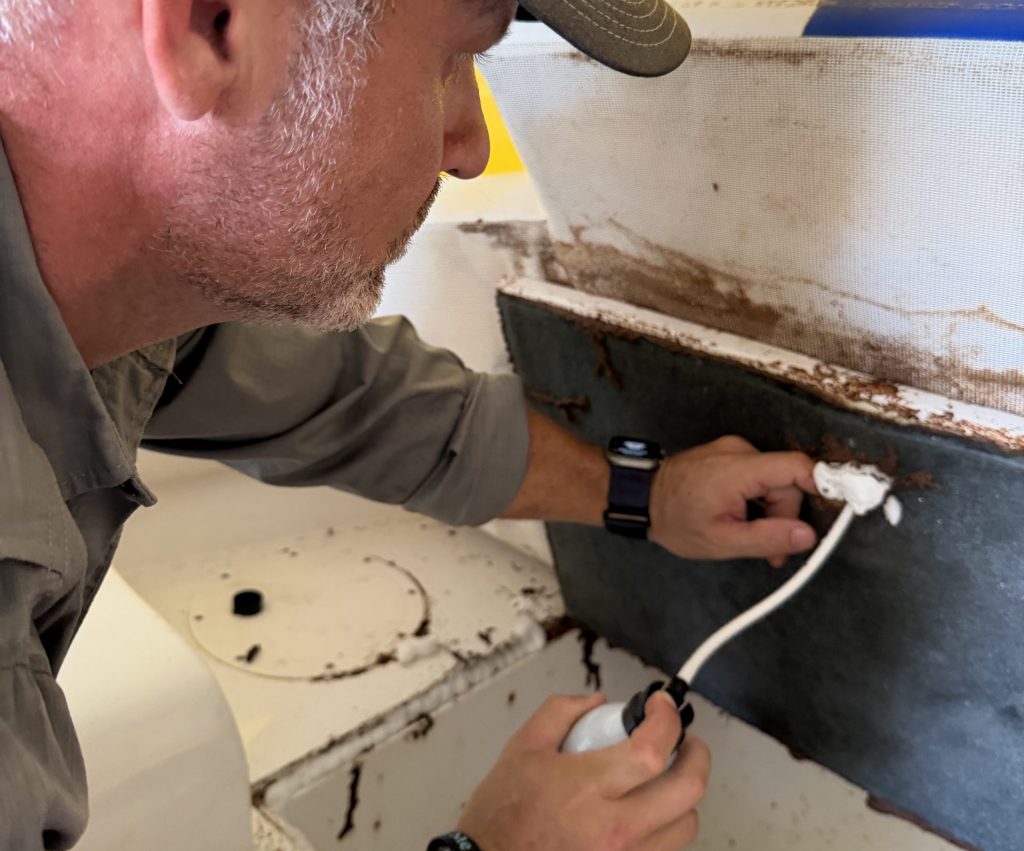
Yes, termite sprays can kill termites depending on the product, where it is applied and whether the termites come into contact with the treatment.
But there is an important distinction:
Killing termites is not automatically the same as controlling a termite infestation.
The termites crawling across a window frame, wall, piece of lumber or other visible surface may represent only a small portion of the activity around your property.
This is especially important with subterranean termites, which typically live in colonies and travel between the colony and their food sources.
Spraying the termites you can see may therefore leave several unanswered questions:
- Where did the termites enter the structure?
- Is there an active colony nearby?
- Are termites travelling through concealed areas?
- Are other sections of the property affected?
- Are moisture conditions contributing to the activity?
- Has any wood already been damaged?
If those questions are unanswered, the disappearance of visible termites can create a false sense of security.
Why Do Termites Come Back After You Spray Them?
Termites can return after spraying because the treatment may have affected only the termites present in that particular location.
Imagine discovering termites around a window frame.
You spray the area.
The termites die.
But they may have reached that window through another part of the structure entirely.
Possible concealed pathways can include:
- Wall cavities
- Cracks around the foundation
- Plumbing penetrations
- Expansion joints
- Areas where wood contacts soil
- Gaps around additions or structural changes
- Other concealed entry points
The location where termites appear is therefore not necessarily where the problem began.
If termites return after spraying, repeatedly treating the same visible area without determining their source may only address the symptom.
6 Reasons Termite Spray May Not Solve the Real Problem
1. You Are Only Killing the Termites You Can See
This is probably the biggest limitation of treating termites based only on visible activity.
Termites often operate where homeowners cannot see them.
You may find a few termites in one room while additional activity exists elsewhere.
The termites you spray could simply be workers that travelled from another location.
What should you do?
Before destroying all evidence, take clear photographs and note exactly where you found the termites.
Then examine the surrounding area for:
- Mud-like tubes
- Damaged wood
- Moisture
- Cracks
- Soil-to-wood contact
- Discarded wings
- Additional insect activity
If the source is unclear, a termite inspection can help determine how the termites may be reaching the area.
2. Termite Damage Can Be Hidden
One of the reasons termites deserve attention is that homeowners do not always see active termites.
Activity can occur in concealed areas such as:
- Behind drywall
- Beneath flooring
- Inside wooden framing
- Around plumbing
- Beneath cabinets
- Around exterior structural areas
That means waiting until termites are visibly crawling around the house is not always the best approach.
Instead, pay attention to unusual changes around wooden materials and structural areas.
Possible signs of termite activity include:
- Wood that sounds hollow
- Mud-like tubes
- Discarded wings
- Swarming insects
- Damaged wood
- Unusual deterioration around doors or windows
- Bubbling or damaged surfaces
- Suspicious changes in wooden materials
Finding one of these signs does not automatically tell you how extensive the problem is.
It tells you that the area deserves further investigation.
3. You May Mistake Termite Swarmers for Flying Ants
You suddenly notice dozens of winged insects around a window, porch, doorway or light.
You spray them and clean them up.
Problem solved?
Not necessarily.
Those insects could be termite swarmers, and their appearance can be an important sign that a mature termite colony is nearby.
Termites and flying ants can look similar from a distance, but there are several characteristics you can examine.
Termite swarmers generally have:
- Straight-looking antennae
- A relatively uniform body shape
- Wings that appear similar in size
Flying ants generally have:
- Bent antennae
- A noticeably pinched waist
- Front and rear wings that differ in size
If you cannot confidently identify the insect, avoid assuming it is harmless.
Take clear photographs or preserve several insects so they can be identified.
Correct identification should come before deciding how the property needs to be treated.
4. You Are Treating the Symptom Instead of the Termite Entry Point
If termites keep appearing in the same area, asking which spray to buy may not be the most useful question.
Ask instead:
How are these termites reaching my house?
Termites may exploit areas around:
- Foundation cracks
- Plumbing penetrations
- Slab penetrations
- Expansion joints
- Additions to the structure
- Soil-to-wood contact
- Moisture-damaged wood
For example, termites appearing beside a bathroom wall may be entering through an area associated with plumbing or the foundation rather than originating inside that particular wall.
Finding the pathway changes your approach from simply killing insects to understanding the structure and the infestation.
5. Moisture Around the Property May Be Contributing to Termite Activity
Termite prevention is not only about chemicals.
Conditions around the property also matter.
Homeowners should check for moisture problems such as:
- Leaking outdoor faucets
- Plumbing leaks
- Poor drainage
- Standing water near the foundation
- Damaged gutters
- Persistently wet soil
- Moist crawl spaces
- Rotting wood
- Firewood stored directly against the house
Correcting these conditions will not automatically eliminate an existing termite colony.
However, reducing excess moisture and correcting conditions favourable to termite activity can be an important part of protecting the property.
6. You Do Not Know How Extensive the Termite Activity Is
Seeing termites in one place does not tell you everything you need to know.
It does not automatically reveal:
- Where the termites entered
- How long activity has been occurring
- Whether other areas are affected
- Whether wooden materials have been damaged
- Whether there has been previous termite activity
- Which termite treatment approach is appropriate
That is where a termite inspection becomes important.
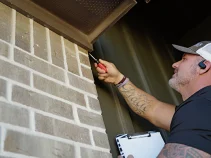
At BugMan Pest Control & Termite Control, the goal is to evaluate the termite activity and surrounding conditions before determining an appropriate course of action.
A termite inspection may look for visible activity, evidence of previous activity, possible entry points, damaged areas and conditions around the property that may contribute to the problem.
Termite Spray vs. Professional Termite Treatment
The biggest difference is the scope of the problem being addressed.
Termite spray
A termite spray may be useful for killing termites in the immediate area where the product is applied.
But it does not automatically tell you:
- Where the colony is
- How the termites entered
- Whether additional areas are affected
- Whether structural materials have been damaged
- Whether activity will return
Professional termite treatment
A professional approach begins by trying to understand the infestation more broadly.
The objective is not simply:
“How do we kill these termites?”
It is:
“What termite activity is occurring around this structure, where is it coming from, and what treatment approach is appropriate?”
That difference matters when dealing with termites that may be travelling through concealed areas.
What Should You Do If You Find Termites in Your House?
If you discover termites, avoid immediately destroying every piece of evidence.
Instead:
- Take photographs.
Photograph the insects and the exact area where you discovered them. - Preserve a few insects if possible.
They may help with identification. - Write down where you found them.
Note the room, wall, window, doorway or exterior area. - Look nearby for mud tubes or damage.
- Check for moisture problems.
- Avoid assuming that spraying the visible termites eliminated the infestation.
- Arrange an inspection if the activity is unexplained, recurring or inside the structure.
The information you preserve can help make the inspection more useful.
When Should You Call a Termite Control Professional?
Consider arranging a professional termite inspection if:
- Termites return after you spray them
- You find termites inside your home
- You discover mud tubes
- You notice termite swarmers
- You find discarded wings around windows or doors
- Wood sounds hollow or appears damaged
- You have had termite problems previously
- You cannot identify the insects you found
- You are concerned that activity may exist behind walls or beneath flooring
- You repeatedly treat the same location without understanding where the termites are coming from
The purpose is to understand the problem before it becomes a cycle of repeatedly spraying whatever appears.
How Can Southeast Texas Homeowners Reduce Their Termite Risk?
There are several practical steps homeowners can take around their properties.
Keep Wood Away From Soil Where Possible
Wood directly contacting soil can provide favourable conditions for termite activity.
Check fences, decking, siding, landscaping timbers and other wooden materials around the structure.
Move Firewood Away From the House
Avoid stacking firewood directly against exterior walls.
Keeping it separated from the structure makes it easier to notice suspicious activity and avoids placing a potential food source immediately beside the home.
Repair Leaks and Drainage Problems
Check:
- Outdoor faucets
- Plumbing
- Gutters
- Downspouts
- Crawl spaces
- Areas where water collects around the foundation
Persistent moisture should be investigated and corrected.
Inspect the Foundation Periodically
Walk around the house and look for:
- Mud-like tubes
- Damaged wood
- Cracks
- Moisture
- Areas where soil contacts wooden materials
You do not need to wait until termites are crawling through the house before paying attention.
Pay Attention During Termite Swarm Activity
Do not automatically dismiss winged insects as ordinary flying bugs.
If you notice a sudden concentration of winged insects around the property, take photographs and identify them before cleaning everything away.
“I Sprayed the Termites and Haven't Seen Them Again. Am I Safe?”
Not necessarily.
The absence of visible termites does not automatically prove that termite activity has stopped.
Termites can move through concealed areas of a structure.
If you recently discovered termites and sprayed them, consider asking these questions:
- What type of insect did I actually find?
- Where did it enter?
- Is there evidence somewhere else?
- Are there mud tubes or damaged materials nearby?
- Is excess moisture present?
- Does the property need further inspection?
- Is professional termite treatment appropriate?
Those answers are more useful than simply waiting to see whether another termite appears.
Frequently Asked Questions About Termite Spray and Termite Treatment
Does termite spray kill termites?
Termite spray can kill termites that are exposed to or come into contact with the treatment, depending on the product and how it is applied. However, killing visible termites does not necessarily mean that the entire termite problem has been eliminated.
Why do termites come back after spraying?
Termites may return because the spray treated only the insects present in one location. Other termites may still be travelling from a colony through concealed pathways or entering the property from another area.
Can I get rid of termites myself with spray?
You may be able to kill termites that you can see, but visible activity does not tell you where the colony is, how the termites entered the building or whether other areas are affected. Recurring or unexplained termite activity should be investigated more thoroughly.
What should I do if I see termites inside my house?
Take photographs, preserve a few insects if possible, note exactly where they appeared and inspect the surrounding area for mud tubes, damage and moisture. If the activity is inside the structure or you cannot determine where it originated, consider arranging a professional termite inspection.
What are the signs of termites in a house?
Possible signs include mud-like tubes, swarmers, discarded wings, hollow-sounding wood, damaged wooden materials and unusual deterioration around doors, windows or other structural areas.
Are flying termites a sign of an infestation?
Termite swarmers can indicate that a mature termite colony is nearby. Because flying ants and termite swarmers can look similar, correct identification is important before deciding what action to take.
How can I tell flying ants from termite swarmers?
Termite swarmers generally have straighter-looking antennae, a more uniform body and wings that appear similar in size. Flying ants generally have bent antennae, a more noticeably pinched waist and different-sized front and rear wings.
Can termites live behind drywall?
Termite activity can occur in concealed structural areas, including behind drywall and inside wooden framing. This is one reason the absence of visible termites does not necessarily mean that no activity is present.
Does fixing moisture problems get rid of termites?
Fixing moisture problems can help make conditions around a property less favourable to termite activity, but moisture correction alone should not be considered a treatment for an existing termite colony.
When should I get a termite inspection?
Consider an inspection if you find termites inside your home, repeatedly see termites after spraying, discover mud tubes or swarmers, notice suspicious wood damage, find discarded wings or cannot determine where the activity is coming from.
Do I need termite treatment if I only saw a few termites?
The number of termites you see does not necessarily indicate the size of the problem. A few visible termites may be only a small part of activity occurring elsewhere. An inspection can help determine what is happening before a treatment recommendation is made.
Where can I get termite control in Lumberton, TX?
BugMan Pest Control & Termite Control provides termite control services for homeowners and businesses in Lumberton and surrounding Southeast Texas communities, including Beaumont, Nederland, Port Arthur and Orange.
Need Termite Control in Lumberton or Southeast Texas?
If you found this page after searching for:
- termite spray
- termite treatment near me
- termite control near me
- termite control Lumberton TX
- termite treatment Southeast Texas
- pest control near me
you are probably trying to determine whether you can handle the problem yourself or whether something more serious may be happening.
You do not have to guess.
BugMan Pest Control & Termite Control serves homeowners and businesses throughout Lumberton, Beaumont, Nederland, Port Arthur, Orange and surrounding Southeast Texas communities.
If you have discovered termites, termite swarmers, mud tubes, suspicious wood damage or recurring termite activity, contact BugMan to have the situation evaluated and determine an appropriate next step.
BugMan Pest Control & Termite Control
2471 Hwy 69 S
Lumberton, TX 77657
Call: (409) 333-9165
Before you continue spraying the termites you can see, find out what may be happening where you cannot see them.