
What Happens During a Termite Inspection in Southeast Texas?
Joshua Culver · October 9, 2026 · Termite Control
A practical guide to what a professional termite inspection covers, how homeowners can prepare, and what to expect from the findings.
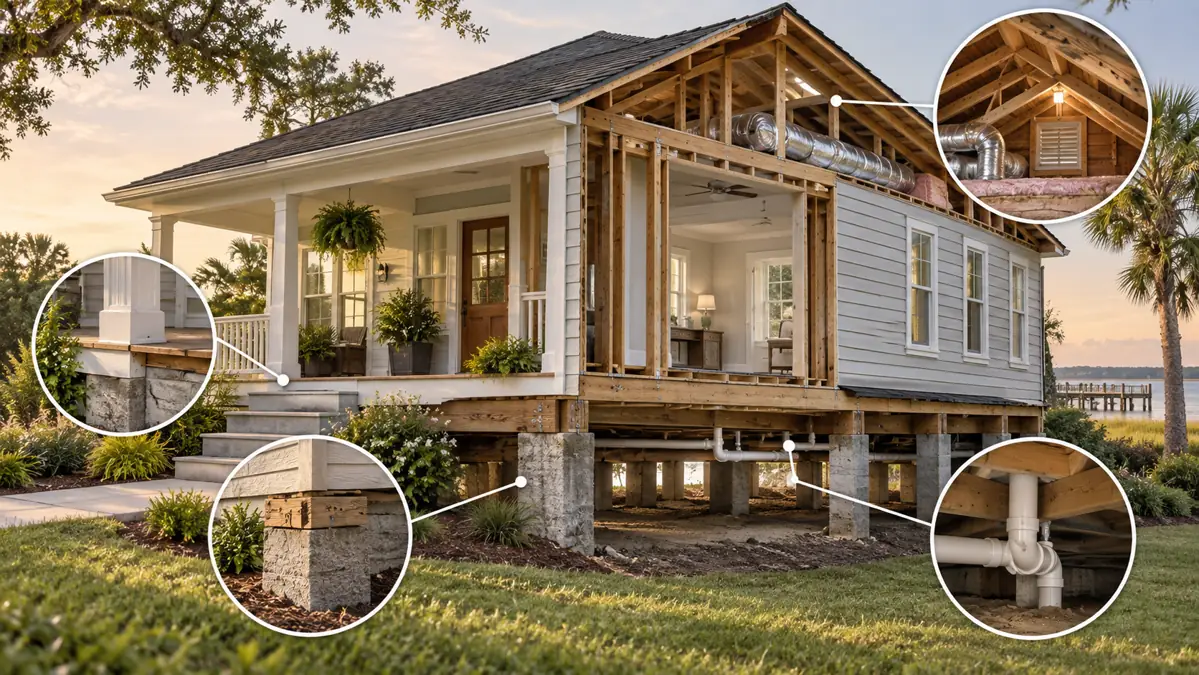
During a termite inspection in Southeast Texas, the inspector checks accessible parts of the property for termite evidence and conditions such as moisture, wood touching soil, and openings around pipes or foundations.
You should receive an explanation of what was found, which areas could not be inspected, and what to do next. A visual inspection cannot rule out termites in every concealed space.
What a termite inspection looks for
Common evidence includes mud shelter tubes, discarded wings, swarmers, damaged or hollow-sounding wood, moisture problems, and wood-to-soil contact. Formosan and other subterranean termites may work behind finished surfaces, so an inspector also studies the building for indirect clues instead of relying only on visible insects.
- Mud tubes on foundations, piers, plumbing lines, or walls
- Soft, blistered, stained, or damaged wood
- Discarded wings near windows, doors, lights, and vents
- Active termites or swarming insects
- Moisture leaks, poor drainage, and damp crawl spaces
- Firewood, lumber, mulch, or structural wood touching soil
Areas normally examined
A professional typically begins around the exterior perimeter, then evaluates accessible interior areas. Depending on the property, that may include the foundation, garage, utility penetrations, bathrooms, kitchens, attic, crawl space, porches, decks, and places where additions meet the original structure.
The inspection is visual and access matters. Stored belongings, locked rooms, heavy vegetation, low clearances, finished walls, and unsafe attic or crawl-space conditions can limit what can be seen. A responsible report should identify those limitations instead of implying certainty about inaccessible areas.
How to prepare your property
- Move stored items away from accessible foundation walls where practical.
- Clear the crawl-space or attic entrance and remove anything blocking access.
- Unlock garages, sheds, utility rooms, and other areas included in the appointment.
- Write down where you saw wings, mud tubes, moisture, or damaged wood.
- Avoid breaking suspected mud tubes before the inspector arrives; intact evidence can help evaluation.
You do not need to dismantle the house. The useful preparation is simply safe access and a clear history of what you noticed, when it appeared, and whether the area has had leaks, repairs, or previous treatment.
How long an inspection takes
Timing depends on the size, construction, accessibility, and condition of the property. A small, open home can be evaluated faster than a large structure with crawl spaces, additions, extensive storage, or multiple detached buildings. Ask whether the appointment covers only the primary structure or also garages, sheds, fences, and other improvements.
A rushed walk-through may miss context. Allow enough time for the inspector to examine accessible areas, discuss the findings, and answer questions about treatment options, preparation, warranties, follow-up, and prevention.
What happens after evidence is found
Finding evidence does not automatically determine one treatment. The inspector should explain whether the signs appear active, where they were observed, which areas were inaccessible, and what control options fit the building. Texas A&M notes that subterranean-termite options can include baiting systems, soil treatments, barriers, foams, or combinations. A plan should match the structure and infestation rather than use a one-size-fits-all script.
If you need a local evaluation, review BugMan’s termite-control service and ask for a written explanation of the recommended scope.
Which inspection or report do you need?
A diagnostic inspection for a current concern, a treatment estimate, and a formal real-estate wood-destroying-insect report may have different purposes, documentation, and fees. Tell the company whether you are investigating a swarm, planning preventive care, buying or selling a property, or responding to a lender or real-estate requirement.
Bring the right question
Ask: What was actually observed? Which areas could not be inspected? What conditions should be corrected? What treatment is recommended, why is it appropriate, and what follow-up or warranty terms apply?
A termite inspection checklist by construction type
| Property feature | Why it matters | Typical accessible evidence |
|---|---|---|
| Slab foundation | Cracks, joints, plumbing penetrations, and concealed grade lines can provide routes | Mud tubes, swarmers, wings, moisture, damaged trim |
| Pier-and-beam or crawl space | Wood framing may be close to soil and moisture | Tubes on piers, damaged sills or joists, damp wood, limited clearance |
| Brick veneer | Weep and construction details can conceal travel | Tubes, high soil or mulch, gaps, wings near openings |
| Additions and porches | Transitions may have different foundations or access | Evidence where old and new construction meet |
| Attic or roof leak | Persistent moisture can support hidden damage or Formosan carton material | Water staining, damaged wood, swarm evidence near lights |
| Detached structures | Garages, sheds, and fences may not be in the quoted scope | Separate tubes, wood-soil contact, stored wood |
The homeowner should confirm which structures are included. A report on the primary residence does not automatically cover a detached garage, shed, fence, tree, or guest building.
What to look for in your inspection report
- Observed evidence and exact location
- Whether evidence appears active, inactive, old, or inconclusive
- Areas and structures inspected
- Areas inaccessible or obstructed
- Conducive conditions such as moisture or wood-to-soil contact
- Recommended treatment or monitoring and the reason
- Separate repair or structural-evaluation needs
Ask for photographs or a diagram when available. A clear baseline makes follow-up more meaningful and helps another contractor understand where leaks, grade, siding, framing, or drainage need correction.
Choosing a local termite inspection
When booking, explain the reason for the visit and any deadline for the report. Confirm that the appointment includes the documentation you need.
BugMan serves Beaumont, Lumberton, Port Arthur, Nederland, Buna, and surrounding Southeast Texas communities. Give the property address, foundation type, reason for the inspection, and any evidence you found so the company can confirm coverage and appointment type.
Frequently asked questions
Should I clean up termite wings before the inspection?
If possible, leave a representative sample or take clear photos before cleaning. Note the date, time, room, and nearby light or window. This helps the inspector distinguish a termite swarm from flying ants and connect the evidence to the structure.
Can an inspection prove there are no termites anywhere in the house?
A visual inspection can report evidence in accessible areas, but termites may remain concealed behind finishes or in inaccessible spaces. The report should state its limitations and any area that could not be examined.
What should I do if I find a mud tube?
Do not rely on breaking or spraying the tube. Photograph it and arrange a professional evaluation. The visible tube may be only one part of a larger concealed foraging route.
Is a termite inspection near me free?
Inspection and estimate policies can vary by purpose. Ask whether the appointment is a free treatment estimate, diagnostic inspection, or formal real-estate report and whether a fee applies.
Does a termite inspector check the attic?
Accessible attic areas may be checked when construction, evidence, and safety make them relevant. Confirm the scope and note that insulation, low clearance, heat, storage, or unsafe access can limit inspection.
Can a general home inspector perform the same termite report?
A general home inspection and a licensed wood-destroying-insect or structural pest inspection can have different scopes and qualifications. Confirm what your lender, buyer, seller, or purpose requires.
What if the termite inspection finds damage?
Treatment addresses termite activity; damage repair is separate. Significant or structural damage should be evaluated by an appropriate repair professional or engineer.
Related reading
- Professional termite control in Southeast Texas
- Signs of termites in Southeast Texas
- Termite swarm season in Southeast Texas
- How to prepare your home for pest-control service
Sources and further reading
- Texas A&M AgriLife: How to Select a Termite Control Service
- Texas A&M AgriLife: Formosan Subterranean Termites
Book a termite inspection
Found wings, mud tubes, or damaged wood? Tell BugMan where you found them and whether you need an inspection for a current concern or a property transaction. Call (409) 333-9165 or request a free estimate.
Have a pest concern? Let’s take a look.
Request a free initial inspection.
Tell us what you’re seeing and our local team will help you choose the right next step. Serving Beaumont, Nederland, Lumberton, Buna, and surrounding Southeast Texas communities.
Prefer to call? (409) 333-9165


General Pest Control Services
Termite Treatment & Prevention
Crawfish Treatment
Rodent Control
Roach Control
Bee Removal
Mosquito Control
Flea & Tick Control
Ant & Wasp Control
Residential Pest Control
Commercial Pest Control
2026 Bug Man Pest & Termite Control © - Site by: 414 Creative


