
How to Tell If You Have Termites in Southeast Texas
Joshua Culver · May 11, 2026 · Blog
Termites are a year-round problem in Southeast Texas, often causing hidden damage long before homeowners notice the signs. Learn the most common warning signs, what makes termites so common in this region, and when it’s time to call a professional.
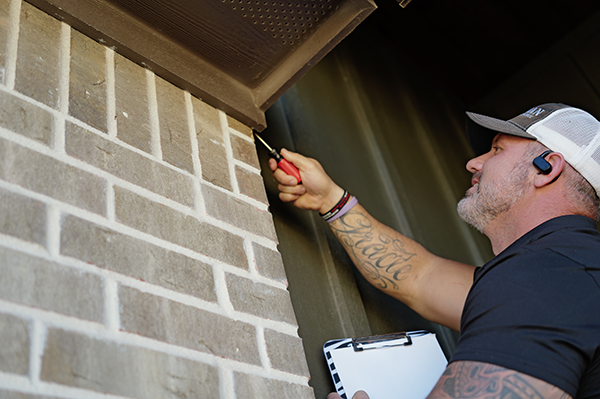
Signs, Risks, and When to Take Action
If you have termites in Southeast Texas, the most common signs are mud tubes along walls or foundations, discarded wings near windows, and wood that sounds hollow when tapped. Because of the region’s heat and humidity, termite activity is common and often goes unnoticed until damage has already begun.
Why Termites Are So Common in Southeast Texas
Southeast Texas provides the perfect environment for termites:
- High humidity year-round
- Warm temperatures
- Moist soil conditions
- Frequent rainfall
These conditions allow termites to stay active longer and spread faster than in many other regions.
In areas like Beaumont, Nederland, Lumberton, and surrounding communities, termite pressure is not seasonal. It’s ongoing.
The Most Common Signs of Termites
Catching termites early can prevent serious structural damage. Here’s what to look for:
1. Mud Tubes on Walls or Foundations
These small, dirt-like tunnels are one of the clearest signs of termite activity. They’re used to travel between soil and wood while staying protected from open air.
2. Discarded Wings Near Windows or Doors
After swarming, termites shed their wings. Finding piles of small, translucent wings is a strong indicator that termites are nearby. Discarded wings are often found during termite swarm season, which is one of the most common times homeowners first notice termite activity.
3. Hollow or Damaged Wood
Tap on wooden surfaces. If they sound hollow or feel soft, termites may already be feeding inside.
4. Bubbling or Uneven Paint
Termite activity beneath surfaces can cause paint to bubble or appear distorted, often mistaken for water damage.
5. Tight-Fitting Doors or Windows
As termites damage wood structures, warping can occur, making doors and windows harder to open or close.
What We See in Southeast Texas
“Most people say they haven’t seen or don’t have termites, when in reality termites can go undetected for years while eating away behind walls, under floors, and inside structural wood.”
— Josh Culver, Owner of BugMan TX
Southeast Texas is considered part of the "Termite Belt," and termite pressure in this region is extremely high. Risk varies by property, moisture, construction, and nearby activity; a local inspection is more useful than a generalized colony count.
Our region is also home to both major termite species:
- Eastern Subterranean Termites
- Formosan Termites
That means homeowners in Beaumont, Nederland, Lumberton, Buna, and surrounding communities face ongoing termite risk year-round.
As Josh puts it:
“There are usually two types of houses in Southeast Texas: houses that have termites and houses that are going to get them. It’s always better to be proactive instead of reactive.”
Why Termites Are a Serious Problem
Termites don’t just go away on their own.
They:
- Continuously feed on wood structures
- Spread through hidden areas of your home
- Can cause costly structural damage over time
The longer they go untreated, the more extensive and expensive the damage becomes.
Many homeowners don't realize how much termite activity can vary based on soil conditions, moisture levels, construction type, and local environmental factors. If you'd like a deeper look at how termites affect homes in Lumberton and throughout Southeast Texas, explore our Complete Homeowner's Guide to Termite Control in Lumberton.
What You Can Do If You Suspect Termites
If you notice any of these signs:
- Don’t disturb the area
- Avoid relying on over-the-counter sprays alone
- Schedule a professional inspection as soon as possible
One of the biggest mistakes homeowners make is spraying visible termite activity above ground without addressing the colony underneath the soil. While this may temporarily hide activity, it often leaves the main infestation untreated.
Sometimes homeowners first discover termite activity after confusing termite swarmers with flying ants. Knowing the difference can help you respond appropriately and avoid overlooking a serious infestation.
Early detection and an appropriate treatment plan can help limit damage. The right approach depends on the termite species, structure, and inspection findings.
When to Call a Professional

The best time to call a professional is before termites become visible.
Regular inspections and preventative termite treatments can help detect activity early and protect your home before major damage occurs.
“Call a professional before you see signs. Preventative treatments and regular checkups are always better than waiting until damage shows up.”
— Josh Culver
If you already see mud tubes, discarded wings, or damaged wood, it’s important to act quickly!
Professional termite treatment ensures:
- Accurate identification
- Proper soil and structural treatment
- Long-term protection
- Reduced risk of recurring infestations
How BugMan TX Can Help
At BugMan TX, we provide:
- Thorough termite inspections
- Customized treatment plans
- Preventative solutions for long-term protection
- Guidance on treatment and when a qualified repair professional should assess damaged wood
We serve homeowners across Southeast Texas, including Beaumont, Nederland, Lumberton, and surrounding areas.
Frequently Asked Questions
Yes. The climate makes this region highly active for termite populations year-round.
Termites can begin causing noticeable damage within months, depending on the size of the colony
DIY treatments rarely eliminate the entire colony and can allow the problem to spread. Professional treatment is recommended.
Because Southeast Texas has extremely high termite pressure, most homes benefit from regular termite inspections and preventative treatment plans. An inspection can help determine whether monitoring, prevention, or treatment is appropriate for the property.
Don’t Wait Until the Damage Gets Worse
If you suspect termite activity, early action can save you time, stress, and costly repairs.
Call BugMan TX today for a free termite inspection and professional treatment plan.
Plan your next step
See what happens during a termite inspection and why a contact spray may not protect a structure. For treatment options and label precautions, consult the EPA’s termite guide.
Have a pest concern? Let’s take a look.
Request a free initial inspection.
Tell us what you’re seeing and our local team will help you choose the right next step. Serving Beaumont, Nederland, Lumberton, Buna, and surrounding Southeast Texas communities.
Prefer to call? (409) 333-9165


General Pest Control Services
Termite Treatment & Prevention
Crawfish Treatment
Rodent Control
Roach Control
Bee Removal
Mosquito Control
Flea & Tick Control
Ant & Wasp Control
Residential Pest Control
Commercial Pest Control
2026 Bug Man Pest & Termite Control © - Site by: 414 Creative


