
How to Prepare an Apartment for Pest-Control Service
Joshua Culver · October 19, 2026 · Apartment Pest Control
Apartment pest control works best when residents, management, and the technician coordinate access, preparation, repairs, and follow-up.
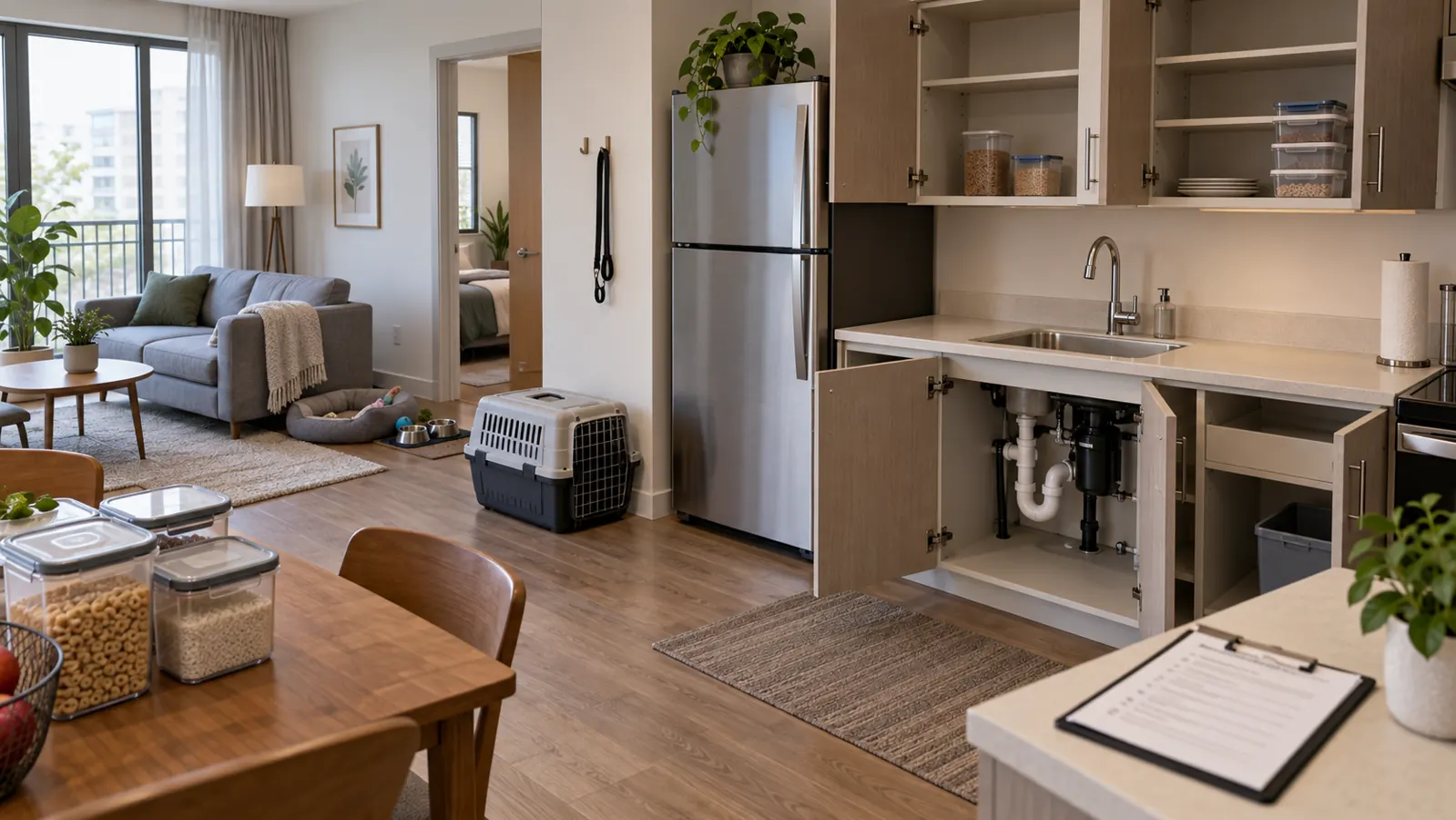
An apartment pest problem can involve more than one unit. Pests may move through shared building spaces or arrive in deliveries and belongings, so residents, management, and the pest-control company need to coordinate preparation and access.
Preparation should be specific to the identified pest. Emptying every cabinet, carrying furniture through the building, or spraying before the appointment can spread activity or interfere with the plan. Use the company’s written instructions first, then the checklist below to close common gaps.
What the resident should document
- Photograph insects, droppings, damage, or spotting from a safe distance. Bites alone do not identify the pest.
- Record the rooms, dates, and times where activity appears.
- Report leaks, broken seals, wall openings, and neighboring-unit concerns.
- List every pesticide, trap, fogger, powder, or bait already used.
- Tell management about pets, children, asthma, pregnancy, mobility needs, or other relevant precautions.
Keep an insect specimen in a closed container only if it can be collected safely; do not handle rodents or droppings. A service request that says only “bugs” may send the wrong preparation instructions and delay identification.
Kitchen and bathroom preparation
- Remove food waste and clean accessible grease and crumbs
- Store exposed food, utensils, toothbrushes, and pet dishes as directed
- Provide access beneath sinks and around plumbing
- Report leaks, condensation, loose escutcheon plates, and cabinet gaps
- Reduce cardboard and floor-level clutter
- Do not spray near professional bait placements
Shared plumbing penetrations are important in multifamily buildings. Management may need to seal routes across several units instead of repeatedly treating the same cabinet.
Bed-bug preparation must prevent spread
Do not move mattresses, sofas, clothing, or bedding into another apartment or hallway. Bagging, laundering, disposal, and heat-sensitive-item instructions depend on the treatment method. Follow the written plan and ask before discarding furniture.
Management should consider adjacent, above, and below units based on the building and evidence. A single-unit response can miss movement routes, while unnecessary broad disturbance can spread the infestation.
What property management must handle
- Provide lawful notice and reliable access according to lease and local requirements.
- Repair leaks, door sweeps, screens, and structural openings.
- Coordinate inspection of connected units when justified.
- Maintain written service, complaint, and follow-up records.
- Address common-area waste, landscaping, laundry, storage, and utility conditions.
This article is operational guidance, not legal advice. Owners and managers should follow current lease terms, fair-housing obligations, pesticide notice rules, and applicable Texas and local requirements.
Children, pets, and re-entry
Disclose every animal, including birds, fish, reptiles, and small mammals. Ask exactly which rooms will be treated, who must leave, and when each area can be reoccupied. The product label and professional instructions determine precautions.
BugMan provides pest control in Beaumont and can explain preparation for the selected service. For a dedicated property program, review the Beaumont service page.
After the appointment
- Do not wash or disturb treated areas until instructed
- Continue agreed sanitation and vacuuming
- Report fresh evidence with date and location
- Keep monitors and baits in place
- Complete repair and exclusion items
- Attend follow-up access appointments
Track reports by unit and location
Track complaints and findings by unit, floor, plumbing stack, and date. Patterns reveal movement that isolated work orders can hide.
Preparation for common apartment pests
| Reported pest | Resident preparation | Management coordination |
|---|---|---|
| German roaches | Remove food and trash, clean grease, follow cabinet and appliance instructions | Inspect connected units and shared plumbing routes when evidence supports it |
| Bed bugs | Use the exact belongings, laundry, and access checklist | Consider adjacent, above, and below units; control movement through common areas |
| Rodents | Secure food and pets; preserve evidence; provide access | Inspect trash, roof, utility, crawl-space, and shared structural routes |
| Fleas | Coordinate veterinary care, vacuuming, bedding, and access | Investigate former pets, wildlife, rodents, and common areas |
| General ants or occasional invaders | Document trails and avoid spraying before inspection | Address landscaping, doors, moisture, and exterior routes |
A one-page generic preparation sheet often fails because it asks residents to move too much or omits pest-specific steps. Every notice should name the pest, date, access areas, preparation, re-entry rule, and contact process for questions or accommodation.
A resident checklist for the day of service
- Photograph or preserve the pest evidence before cleaning.
- Follow only the current written instructions supplied for the unit.
- Place food, medication, personal items, and pet supplies as directed.
- Secure pets and disclose aquariums, birds, reptiles, and medically sensitive occupants.
- Provide access to specified cabinets, plumbing, closets, furniture, balconies, and utility areas.
- List products, traps, or foggers already used.
- Confirm re-entry time and what may or may not be cleaned afterward.
If a resident cannot complete preparation because of disability, age, language, work, custody, or medical needs, they should contact management early. Management should follow applicable housing and accommodation requirements rather than treating incomplete preparation as a surprise at the door.
What property managers should document
- Complaint date, pest, unit, and exact location
- Inspection findings and adjoining units considered
- Resident notice and access outcome
- Treatment, product record, and monitor locations
- Sanitation, leak, repair, or exclusion work orders
- Follow-up date and trend
- Resident education delivered without blame
Building-level records reveal repeated plumbing stacks, trash rooms, delivery routes, vacant units, roof problems, and other sources that individual work orders hide. Treating residents as the sole cause can delay structural corrections and reduce reporting.
What if the preparation instructions conflict?
If the management notice and the technician’s sheet disagree, contact the named service coordinator before moving belongings. Give the unit number, appointment date, reported pest, and the two instructions that conflict. Ask which version applies to your unit and treatment method. For example, a general instruction to empty cabinets may not explain whether a specific room will be inspected only or treated. Request one updated checklist so the resident and technician arrive with the same expectations.
Tell the coordinator which tasks you have completed and which you cannot complete. A useful message is specific: “The under-sink cabinet is accessible, but I cannot move the refrigerator; please confirm whether it needs to move and who should do it.” Do not attempt unsafe lifting or move potentially infested belongings into shared spaces to make the unit look ready.
After service, keep the preparation sheet with the actual service notes. Ask about any change in treated areas or aftercare instructions. This prevents an older notice from being followed during a later visit that uses a different method.
Frequently asked questions
Do I need to empty every apartment cabinet?
Only when the pest-control company instructs you to. Preparation varies by pest and method; unnecessary movement can spread activity.
Should I use a bug bomb before the appointment?
No. Foggers can create safety risks, move pests, and interfere with inspection or bait. Tell the technician about any product already used.
Do all apartments need treatment when one unit has pests?
Not automatically. The pest, building layout, shared routes, and evidence determine which connected or common areas need inspection and treatment. Bed bugs and German roaches often require adjoining-unit consideration.
Can a landlord require pest-control preparation?
Lease terms and applicable law matter. Management should provide clear, reasonable, pest-specific written instructions and handle accommodation or access questions appropriately.
Should residents use store-bought spray before the appointment?
Usually they should stop uncoordinated applications and disclose everything already used. Repellent sprays can interfere with bait, scatter insects, or obscure evidence.
What if the technician cannot enter the unit?
Management should document the failed access, preserve legal notice requirements, contact the resident, and reschedule within the control plan. Untreated connected units can undermine building-wide results.
Related reading
Sources and further reading
- U.S. EPA: Introduction to Integrated Pest Management
- Texas A&M AgriLife: Housing Integrated Pest Management Guide
Arrange pest control for your apartment building
Residents should report activity to management. Property managers can contact BugMan with the affected units, complaint history, and access arrangements to discuss an inspection. Call (409) 333-9165 or request a free estimate.
Have a pest concern? Let’s take a look.
Request a free initial inspection.
Tell us what you’re seeing and our local team will help you choose the right next step. Serving Beaumont, Nederland, Lumberton, Buna, and surrounding Southeast Texas communities.
Prefer to call? (409) 333-9165


General Pest Control Services
Termite Treatment & Prevention
Crawfish Treatment
Rodent Control
Roach Control
Bee Removal
Mosquito Control
Flea & Tick Control
Ant & Wasp Control
Residential Pest Control
Commercial Pest Control
2026 Bug Man Pest & Termite Control © - Site by: 414 Creative


