
Does Home Insurance Cover Termite Damage in Texas?
Joshua Culver · June 12, 2026 · Blog
Does home insurance cover termite damage in Texas? Learn what most policies exclude, why prevention matters, and how homeowners can protect their investment.
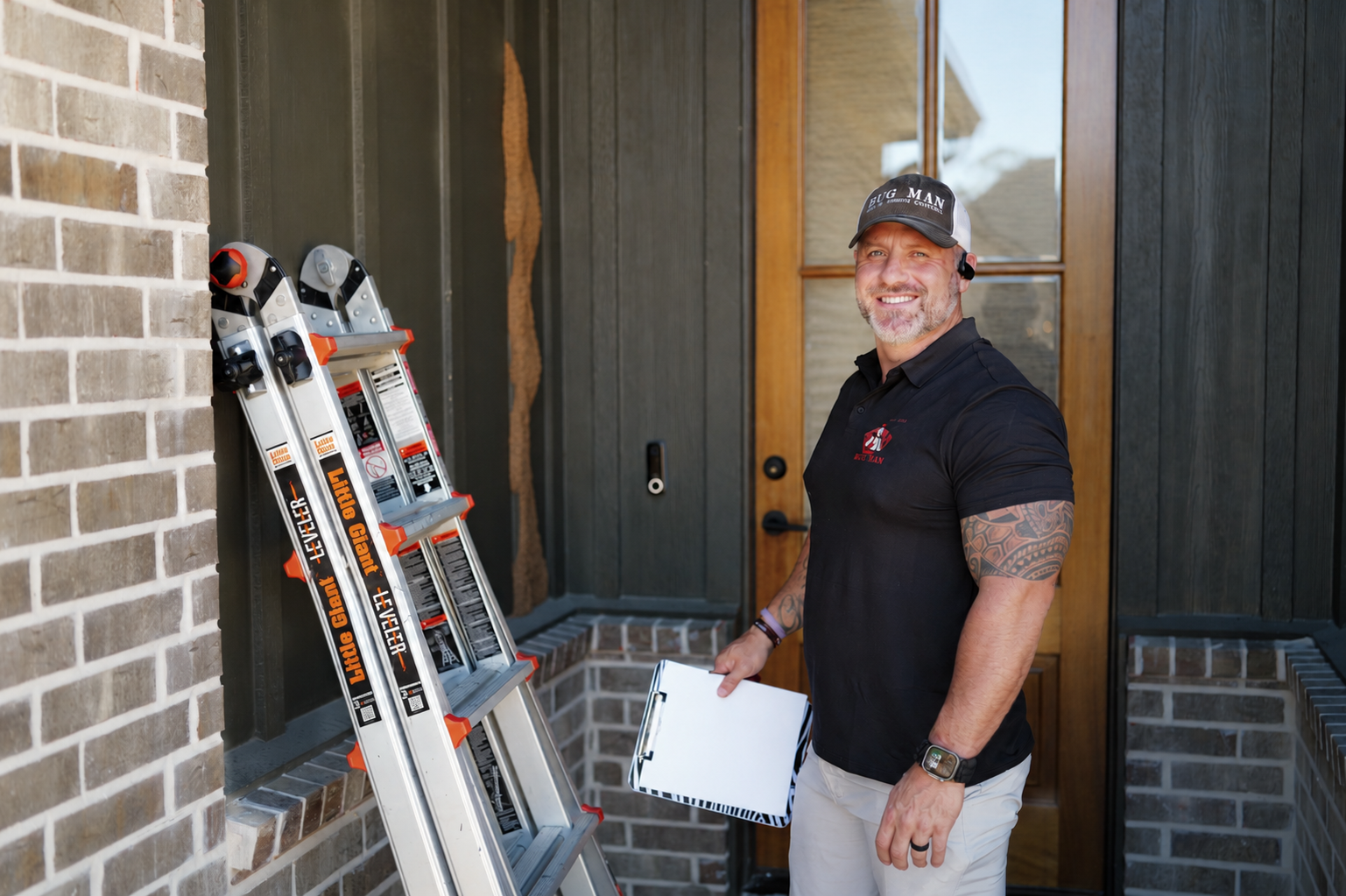
Most homeowners assume their insurance policy will cover termite damage.
Unfortunately, that assumption can become an expensive mistake.
Imagine discovering that termites have been feeding on your home's structure for months. Maybe you've noticed soft flooring, damaged wood, or signs of activity during an inspection. The first question many homeowners ask is:
"Will my insurance pay for this?"
In most cases, the answer is no.
Understanding why termite damage is usually excluded from homeowners insurance can help you avoid costly surprises and make better decisions about protecting your property.
Does Homeowners Insurance Cover Termite Damage?
Does Homeowners Insurance Cover Termite Damage?
Generally, standard homeowners insurance policies do not cover termite damage.
Insurance companies typically consider termite infestations a maintenance issue rather than a sudden or accidental event.
Because termite damage usually develops gradually over time, insurers often view it as something that could have been prevented through regular inspections, maintenance, and termite protection measures.
This means that if termites damage flooring, framing, support beams, walls, or other structural components of your home, repair costs are often the homeowner's responsibility.
Why Insurance Companies Usually Exclude Termite Damage
Insurance policies are designed to protect against unexpected events.
Examples include:
- Fire
- Wind damage
- Hail damage
- Storm damage
- Sudden plumbing failures
These situations happen without warning.
Termite infestations work differently.
Termites often remain hidden for months or even years while causing damage inside walls, beneath flooring, and within structural wood.
Because infestations usually develop over time, insurance companies often classify termite damage as a preventable maintenance issue.
That is why coverage is typically excluded.
What Happens If Termites Damage Your Home?
The answer depends on how long the infestation has been active and which parts of the home have been affected.
Termites commonly damage:
- Floor joists
- Wooden framing
- Baseboards
- Door frames
- Window frames
- Support beams
- Subflooring
In severe cases, structural repairs can become extensive.
Many homeowners are surprised to learn that the repair costs can far exceed the cost of a termite inspection or preventative treatment.
This is one reason termite prevention is often viewed as an investment rather than an expense.
Why This Matters for Homeowners in Southeast Texas
Southeast Texas creates nearly perfect conditions for termites.
Our region experiences:
- High humidity
- Warm temperatures
- Frequent rainfall
- Moist soil conditions
These factors allow termite colonies to remain active throughout much of the year.
Homeowners in communities like Lumberton, Beaumont, Nederland, Silsbee, Kountze, and surrounding areas face termite pressure that many parts of the country simply do not experience.
As BugMan owner Josh Culver often explains:
"There are usually two types of houses in Southeast Texas: houses that have termites and houses that are going to get them."
While that statement often gets a laugh, there is a lot of truth behind it.
Termites are not unusual in Southeast Texas.
They are expected.
Are There Any Exceptions?
Every insurance policy is different.
While termite damage itself is usually excluded, there may be situations where a separate covered event contributes to damage within the home.
The best approach is to review your policy carefully and speak directly with your insurance provider regarding specific coverage questions.
Homeowners should never assume termite damage will be covered without confirming it first.
Homeowners looking to reduce the risk of costly termite damage can learn more in our Complete Homeowner's Guide to Termite Control in Lumberton.
What Is Usually More Affordable: Prevention or Repairs?
Most homeowners only think about termites after discovering a problem.
The challenge is that visible damage often means termites have already been active for some time.
A professional termite inspection can help identify:
- Active termite infestations
- Conditions that attract termites
- Moisture problems
- Structural vulnerabilities
- Areas at increased risk
Finding these issues early can often prevent much larger repair costs later.
The cost and value of prevention depend on the property, inspection findings, treatment options, and contract terms. Compare written proposals rather than assuming every plan offers the same protection.
Signs You Should Schedule a Termite Inspection
Even if you have not seen termites directly, there are several warning signs homeowners should never ignore.
Mud Tubes Along Foundations
Subterranean termites build protective tunnels that allow them to travel between the soil and your home.
Discarded Wings
After swarming, termites shed their wings near windows, doors, and light sources.
Hollow Sounding Wood
Wood that sounds hollow when tapped may indicate internal termite damage.
Bubbling Paint
Termite activity can sometimes create surface damage that resembles moisture issues.
Soft Flooring
Areas that feel weak or spongy beneath your feet deserve attention.
If you notice any of these warning signs, scheduling a professional inspection is often the safest next step.
What Homeowners Can Do Right Now
Protecting your home from termite damage starts with being proactive.
Schedule Regular Inspections
Annual inspections can help identify termite activity before major damage occurs.
Eliminate Excess Moisture
Repair leaks and improve drainage around the home.
Remove Wood Debris
Tree stumps, scrap lumber, and wood piles can attract termite colonies.
Avoid Wood-to-Soil Contact
Keeping structural wood separated from the ground reduces risk.
Address Warning Signs Quickly
Small termite problems rarely stay small.
The sooner activity is identified, the easier it is to manage.
Frequently Asked Questions
Is termite damage covered by homeowners insurance in Texas?
In most cases, no. Standard homeowners insurance policies typically exclude termite damage because it is considered preventable through maintenance and inspections.
Why don't insurance companies cover termites?
Insurance providers generally classify termite infestations as maintenance issues rather than sudden accidental events.
Can termite damage be expensive to repair?
Yes. Depending on the severity of the infestation, repairs may involve flooring, framing, support structures, and other components of the home.
Are termites common in Southeast Texas?
Yes. The combination of humidity, rainfall, and warm temperatures makes Southeast Texas one of the most termite-prone regions in Texas.
How can homeowners reduce the risk of termite damage?
Regular inspections, preventative treatments, moisture control, and early detection are among the most effective strategies.
Don't Wait Until Repairs Become Necessary
One of the biggest misconceptions homeowners have is believing termite damage will automatically be covered by insurance.
Unfortunately, many homeowners discover the truth only after repairs are needed.
The better approach is prevention.
Routine inspections and proactive termite protection can help identify problems early, reduce risk, and protect one of your most valuable investments.
If you live in Lumberton or anywhere in Southeast Texas and have concerns about termites, BugMan TX can help with professional inspections, preventative treatments, and customized termite protection plans designed for local conditions.
Protecting your home starts long before damage appears.
Check your policy and the source guidance
The Texas Department of Insurance explains that home policies generally exclude insect damage. Coverage depends on your policy and the cause of loss; coastal windstorm protection may require separate coverage. Ask your insurer or licensed insurance agent to interpret your own policy. This article is general information, not an individual coverage determination.
For the property itself, read what a termite inspection covers and request an inspection.
Have a pest concern? Let’s take a look.
Request a free initial inspection.
Tell us what you’re seeing and our local team will help you choose the right next step. Serving Beaumont, Nederland, Lumberton, Buna, and surrounding Southeast Texas communities.
Prefer to call? (409) 333-9165


General Pest Control Services
Termite Treatment & Prevention
Crawfish Treatment
Rodent Control
Roach Control
Bee Removal
Mosquito Control
Flea & Tick Control
Ant & Wasp Control
Residential Pest Control
Commercial Pest Control
2026 Bug Man Pest & Termite Control © - Site by: 414 Creative


