
Termite Control in Lumberton, TX: The Complete Homeowner's Guide to Protecting Your Home Before Damage Starts
Your home may be under attack long before you notice the first sign.
That sounds dramatic until you understand how termites operate.
Unlike a leaking roof or a broken water heater, termites do not create immediate problems that demand attention. They work quietly. Hidden behind walls, beneath flooring, inside support beams, and around foundations, they can remain active for months or even years without being discovered.
Many Lumberton homeowners first learn they have termites when they notice something unusual. A door suddenly sticks. Paint begins bubbling. A section of flooring feels softer than normal. What appears to be a small issue often turns out to be evidence of a much larger infestation.
The frustrating part is that termites are not rare in Southeast Texas.
They are one of the most common threats to homes throughout the region.
If you own a home in Lumberton, understanding how termites behave, where they hide, and how to stop them could save you thousands of dollars in future repairs.
Quick Answer: Do You Need Termite Protection in Lumberton?
Yes.
Lumberton's warm climate, frequent rainfall, high humidity, and abundant vegetation create ideal conditions for subterranean termites. These termites live underground and continuously search for new food sources. Homes provide exactly what they need. Even properties that appear well maintained can become targets. A professional termite inspection is often the fastest way to determine whether termites are active, whether your property is vulnerable, and what steps can reduce your risk.
Schedule a Termite Inspection in Lumberton, TX
If you have seen mud tubes, flying termites, damaged wood, bubbling paint, or soft flooring, the safest next step is a professional termite inspection.
BugMan provides termite inspections and termite treatment services for homeowners in Lumberton and surrounding Southeast Texas communities. During the inspection, our technician checks for active termite activity, hidden entry points, moisture problems, structural risk factors, and conditions that may attract future infestations.
Whether you already suspect termites or simply want peace of mind, an inspection can help you understand what is happening before the damage becomes more expensive to repair.
Request a termite inspection today to protect your home before the problem grows.
Why Termites Love Lumberton More Than You Think
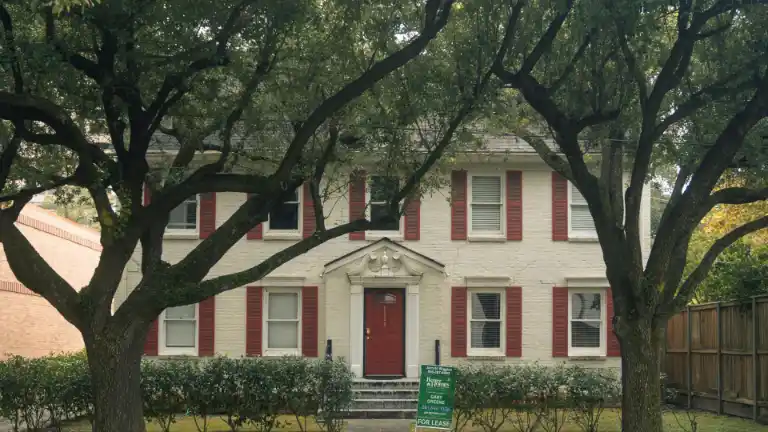
If termites could design the perfect environment, it would look surprisingly similar to Southeast Texas.
Termites need three things to thrive:
- Moisture
- Shelter
- Food
Lumberton provides all three.
The region experiences substantial rainfall throughout the year. Humidity levels remain high for extended periods. Soil often retains moisture that supports subterranean termite colonies.
Then there is the food supply.
Wood framing, fences, decks, landscaping timbers, tree stumps, and mulch all provide potential feeding opportunities.
Many homeowners assume termites only attack neglected properties.
That is not true.
A beautiful, well-maintained home can be just as attractive as an older structure if conditions allow termites easy access.
The reality is that termites are not interested in how your home looks.
They are interested in whether they can reach wood while remaining protected from sunlight and dry air.
When those conditions exist, an infestation can begin.
Why Homes Near Village Creek and Wooded Areas Face Higher Risk
Not every property in Lumberton faces the same level of termite pressure.
While termites can be found throughout Southeast Texas, certain environmental conditions make some homes significantly more attractive to termite colonies than others.
One of the advantages and challenges of living in Lumberton is the abundance of natural beauty that surrounds many residential neighborhoods. Areas near wooded lots, mature trees, creek systems, and moisture-rich soil often provide ideal conditions for subterranean termites.
Properties located near areas influenced by Village Creek and other heavily vegetated environments frequently experience conditions termites love.
Why?
Because termites thrive where moisture is consistently available.
When soil remains damp for extended periods, termite colonies can grow and expand more easily. The combination of shade, vegetation, organic matter, and moisture creates an environment that supports long-term termite activity.
This does not mean homeowners near wooded areas should be alarmed.
It simply means they should be proactive.
Many termite infestations begin outside the home long before termites ever enter the structure. Colonies may exist beneath tree roots, landscaping timbers, old stumps, or buried wood debris without homeowners realizing it.
Over time, worker termites continue searching for new food sources. If conditions allow, your home's wooden framework may eventually become one of those targets.
This is why regular inspections are particularly important for homes surrounded by mature landscaping, wooded lots, or areas where moisture naturally accumulates.
The goal is not to eliminate nature.
The goal is to ensure nature stays outside where it belongs.
The Five Places Termites Usually Enter a Home
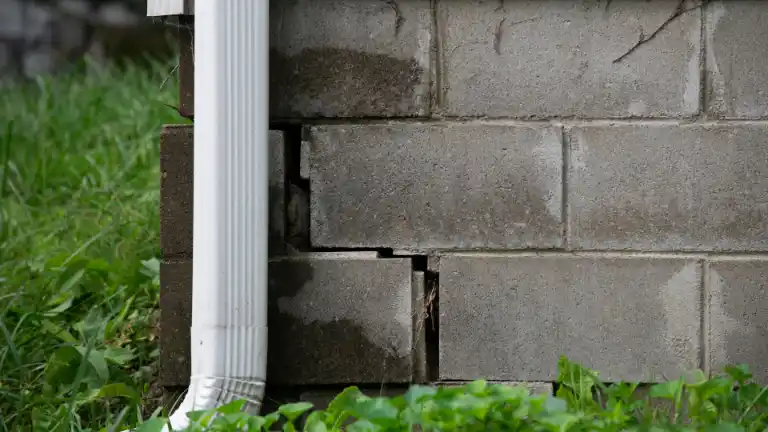
Knowing where termites enter is one of the most effective ways to reduce risk.
1. Foundation Cracks
Even small cracks can provide hidden access points between the soil and structural wood.
2. Utility Penetrations
Areas where plumbing, electrical lines, and HVAC systems enter the structure often create unnoticed entry opportunities.
3. Wood-to-Soil Contact
Fence posts, deck supports, porch structures, and siding that touch the ground create direct pathways into a home.
4. Expansion Joints
Many homeowners never inspect these areas, making them ideal routes for termite activity.
5. Moisture-Prone Areas
Leaking faucets, clogged gutters, poor drainage, and standing water increase the likelihood of termite activity near the structure.
Each of these conditions can exist without attracting attention, which is why routine inspections remain so valuable.
A $500 Problem That Quietly Becomes a $15,000 Repair
One of the most dangerous things about termites is that the early signs often seem insignificant.
A small crack in the paint.
A soft spot near a window.
A door that suddenly becomes difficult to close.
Because these issues appear minor, many homeowners delay investigating them.
Unfortunately, termites do not stop feeding while we postpone action.
What might have been resolved with a straightforward treatment plan can eventually lead to structural repairs involving flooring, wall framing, support beams, or other critical components of the home. The real danger is not simply the termites themselves.
The danger is the amount of time they are given to work undisturbed.
The longer they remain hidden, the more extensive the damage can become.
For most homeowners, the goal should never be waiting until termites are confirmed.
The goal should be identifying risk before damage occurs.
What Termites Are Actually Doing Inside Your Home
Most people imagine termites chewing through wood like tiny machines.
The reality is far more fascinating and concerning.
A termite colony operates like a highly organized society.
Worker termites spend their lives locating food and transporting it back to the colony. Soldier termites defend the colony. Reproductive termites focus on expansion and creating new colonies.
When termites enter a home, they do not randomly consume wood.
They follow the grain and softer portions of the material, often leaving the outer surface intact.
This is why a piece of wood can appear perfectly normal on the outside while being severely damaged internally.
A baseboard may still look solid.
A support beam may still appear strong.
A floor may seem normal.
Meanwhile, termites could be hollowing out the structure from within.
That hidden activity is what makes professional inspections so important.
Many infestations are discovered in areas homeowners would never think to examine.
The First Warning Signs Most Families Miss
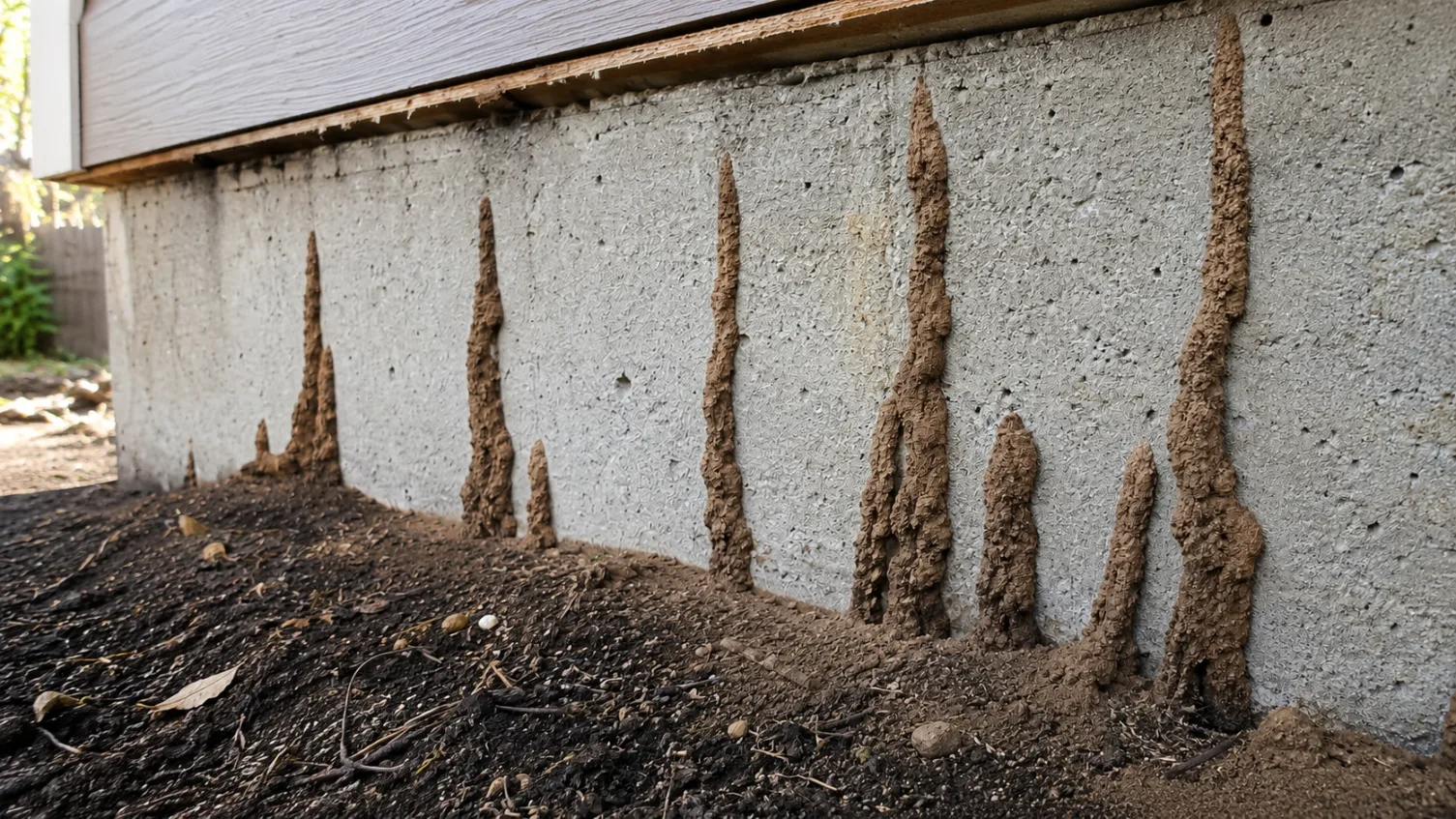
By the time termites become obvious, they have often been active for quite some time.
Here are the signs that deserve immediate attention.
Mud Tubes Along Foundations
Subterranean termites construct protective tunnels made from soil, saliva, and other materials.
These tubes allow them to travel between their underground colony and food sources while remaining protected from sunlight and dry conditions.
If you see mud tubes on your foundation, garage walls, crawl space, or exterior surfaces, do not ignore them.
Swarming Insects Indoors
During certain times of the year, reproductive termites leave established colonies to form new ones.
A sudden appearance of winged insects inside your home may indicate termite activity nearby.
Discarded Wings
After swarming, termites shed their wings.
Finding small piles of wings around windows, doors, or light fixtures can be an important warning sign.
Hollow-Sounding Wood
Tap exposed wooden surfaces.
If they sound hollow or papery, further inspection may be necessary.
Bubbling Paint or Warped Surfaces
Termite activity can create moisture-related symptoms that resemble water damage.
When paint begins bubbling or surfaces appear distorted, termites should be considered as a possible cause.
Why DIY Termite Treatments Usually Disappoint Homeowners
When homeowners discover termites, many naturally search for a quick solution.
The internet is filled with sprays, foams, traps, powders, and treatments promising immediate results.
The problem is that termites are rarely located where you see them.
The termites visible on the surface are often only a small fraction of a much larger colony.
Treating visible activity without addressing the colony is similar to removing leaves from a weed while leaving the roots untouched.
The appearance of improvement can be misleading.
Weeks or months later, the colony remains active and continues causing damage.
Effective termite management requires understanding:
- Where termites are entering
- How large the infestation has become
- What conditions are supporting activity
- Which treatment strategy is most appropriate
Without that information, treatment becomes guesswork.
DIY Termite Treatment vs Professional Termite Control
DIY termite products may help with visible activity, but they rarely solve the full problem. Subterranean termites usually live underground or inside hidden areas of the structure, which means the termites you see may only represent a small part of the colony.
Professional termite control is different because it starts with inspection. Instead of guessing, a technician identifies where termites are active, how they may be entering, and what conditions are supporting the infestation.
DIY methods often focus on the symptom. Professional termite treatment focuses on the source.
For Lumberton homeowners, this matters because termite activity can continue quietly even when the visible signs disappear.
How Professional Termite Treatment Works
Many homeowners are uncertain about what happens during professional termite service.
The process begins with a detailed inspection.
The purpose is not simply to confirm termite activity.
The purpose is to understand the full picture.
A qualified technician evaluates:
- Active termite activity
- Potential entry points
- Moisture conditions
- Structural vulnerabilities
- Evidence of previous infestations
- Risk factors around the property
Based on these findings, a customized treatment plan can be developed.
Depending on the situation, treatment may involve:
Liquid Barrier Treatments
These create a protective zone around the structure that termites cannot easily cross.
Baiting Systems
Strategically placed bait stations help eliminate colonies by targeting termites where they live and feed.
Ongoing Monitoring
Long-term monitoring helps identify new activity before major problems develop.
Every property is different.
That is why professional assessment is so valuable.
Types of Termite Treatments Available in Lumberton

Many homeowners are uncertain about what happens during professional termite service.
The process begins with a detailed inspection.
The purpose is not simply to confirm termite activity.
The purpose is to understand the full picture.
A qualified technician evaluates:
- Active termite activity
- Potential entry points
- Moisture conditions
- Structural vulnerabilities
- Evidence of previous infestations
- Risk factors around the property
Based on these findings, a customized treatment plan can be developed.
Depending on the situation, treatment may involve:
Liquid Barrier Treatments
These create a protective zone around the structure that termites cannot easily cross.
Baiting Systems
Strategically placed bait stations help eliminate colonies by targeting termites where they live and feed.
Ongoing Monitoring
Long-term monitoring helps identify new activity before major problems develop.
Every property is different.
That is why professional assessment is so valuable.
Why Some Termite Treatments Fail
One of the most frustrating situations homeowners face is discovering termite activity after they believed the problem had already been solved.
When this happens, many assume the treatment itself failed.
In reality, several factors can contribute to recurring termite issues.
Incomplete Inspections
A treatment plan is only as effective as the inspection that supports it.
If critical risk factors or hidden activity are missed, termites may continue causing problems even after treatment.
Moisture Problems Remain Unresolved
Termites are strongly attracted to moisture.
If leaking pipes, drainage issues, or excessive soil moisture remain unaddressed, conditions may continue attracting termite activity.
Lack of Ongoing Monitoring
Termite control is not always a one-time event.
In many cases, monitoring plays a critical role in long-term protection.
New Colonies Develop Nearby
Eliminating one colony does not prevent another colony from eventually moving into the area.
This is particularly true in regions like Southeast Texas where termite pressure remains high throughout much of the year.
The most effective termite protection strategies focus not only on treatment, but also on prevention, monitoring, and ongoing risk reduction.
When Is Termite Season in Lumberton?
One of the biggest misconceptions homeowners have is that termites are only active during spring.
While swarming activity often increases during warmer months, termites can remain active throughout much of the year in Southeast Texas.
Our climate provides favorable conditions for extended periods.
That means homeowners should think about termite prevention as a year-round responsibility rather than a seasonal concern.
Certain conditions can increase activity:
- Warm temperatures
- High humidity
- Recent rainfall
- Moist soil around foundations
This is why inspections should not be delayed simply because a particular season has passed.
The BugMan Southeast Texas Termite Risk Assessment™
After serving Southeast Texas homeowners for more than 20 years, one pattern has become clear. Most termite infestations do not happen randomly.
Certain conditions consistently increase the likelihood of termite activity. Use this simple assessment to evaluate your property's risk level.
High Risk Conditions
- Wood touching the soil
- Standing water near the foundation
- Poor drainage around the home
- Previous termite activity
- Tree stumps close to the structure
- Consistently damp crawl spaces
Moderate Risk Conditions
- Heavy mulch around exterior walls
- Dense vegetation touching the home
- Firewood stored near the structure
- Older wooden fencing connected to the property
- Irrigation systems creating excessive moisture
Lower Risk Conditions
- Proper drainage
- Well-maintained landscaping
- No wood-to-soil contact
- Routine termite inspections
- Good ventilation in crawl spaces and attics
The more high-risk conditions present, the greater the likelihood that termites will eventually find your property attractive.
Fortunately, most risk factors can be addressed before they become expensive problems.
That is one reason proactive inspections remain one of the smartest investments homeowners can make.
Why New Homes Are Not Immune
Many people assume termite problems only affect older properties.
That assumption creates a false sense of security.
Termites do not care whether a home is five months old or fifty years old.
They care about access.
A newly built home still contains wood framing.
A newly built home still sits on soil.
A newly built home can still develop moisture conditions that attract termites.
Construction quality matters.
Maintenance matters.
Prevention matters.
Age alone does not determine risk.
The Lumberton Conditions That Attract Termites
While termites can infest almost any property, certain conditions significantly increase risk.
Poor Drainage
Water collecting near the foundation creates favorable moisture conditions.
Leaking Outdoor Faucets
Even small leaks can contribute to termite-friendly environments.
Firewood Stored Against the House
Wood piles provide both food and shelter.
Tree Stumps
Old stumps often support termite colonies.
Excessive Mulch
Mulch retains moisture and can increase activity near structures.
Dense Vegetation
Plants growing directly against exterior walls can create hidden access routes.
Addressing these issues does not guarantee termites will never appear.
However, it can significantly reduce the likelihood of infestation.
The BugMan Southeast Texas Prevention Checklist
Homeowners often ask what they can do today to reduce termite risk.
Start with these practical steps.
Keep Wood Away From Soil
Avoid direct wood-to-ground contact whenever possible.
Improve Drainage
Ensure water flows away from the foundation.
Fix Leaks Promptly
Moisture problems should never be ignored.
Remove Dead Trees and Stumps
These can become breeding grounds for termite activity.
Store Firewood Properly
Keep it elevated and away from the home.
Inspect Crawl Spaces
Watch for moisture accumulation and mud tubes.
Schedule Routine Inspections
Professional evaluations often identify concerns before damage occurs.
Small preventive measures today can prevent major expenses tomorrow.
How Much Does Termite Treatment Cost in Lumberton, TX?
The cost of termite treatment depends on several factors, including the size of the home, the level of termite activity, the treatment method used, accessibility around the structure, and whether ongoing monitoring is recommended.
A small preventative treatment may cost far less than treating an active infestation that has already caused structural damage. This is why an inspection is the best first step. It allows a technician to determine whether termites are present, how serious the risk is, and what type of solution makes sense for the property.
Common factors that affect termite treatment cost include:
- Size of the structure
- Type of foundation
- Severity of infestation
- Moisture conditions
- Treatment method
- Need for bait stations or monitoring
- Previous termite history
For many homeowners, prevention is more affordable than waiting until repairs are needed.
Frequently Asked Questions About Termite Control in Lumberton, TX
How common are termites in Lumberton?
Termites are extremely common throughout Southeast Texas due to favorable environmental conditions including humidity, rainfall, and warm temperatures.
How often should I have my home inspected?
Most homeowners benefit from annual termite inspections, although higher-risk properties may require more frequent monitoring.
Can termites destroy a house?
Termites can cause significant structural damage if left untreated. Early detection dramatically reduces this risk.
Are termites active year-round in Texas?
In Southeast Texas, termites can remain active throughout much of the year because of the region's climate.
What is the most effective termite treatment?
The best treatment depends on the property, infestation level, and risk factors. A professional inspection helps determine the most appropriate approach.
Do termites only eat wood?
Termites primarily consume cellulose-based materials, which includes wood and other plant-derived products.
Can I prevent termites completely?
No prevention strategy is perfect, but reducing moisture, eliminating risk factors, and maintaining regular inspections greatly improves protection.
What attracts termites to homes in Lumberton?
Moisture, wood-to-soil contact, poor drainage, tree stumps, and organic debris are among the most common factors that attract termites.
Are termites common in Hardin County?
Yes. The climate throughout Hardin County creates ideal conditions for subterranean termite activity throughout much of the year.
How long does a termite inspection take?
Most inspections can be completed within one to two hours depending on the size and complexity of the property.
Can termites return after treatment?
Yes. New colonies can eventually develop. This is why monitoring and preventive measures remain important after treatment.
Does homeowners insurance cover termite damage?
Most standard homeowners insurance policies do not cover termite-related damage because it is considered preventable through routine maintenance and inspections.
What is the difference between flying ants and termites?
Flying termites typically have straight antennae, equal-length wings, and thicker bodies. Flying ants have bent antennae, uneven wings, and narrow waists.
Can termites damage brick homes?
Yes. While termites do not consume brick, they can enter through cracks and reach wooden components inside the structure.
How often should Lumberton homeowners schedule inspections?
Annual inspections are recommended for most properties, although higher-risk homes may benefit from more frequent evaluations.
What should I do if I find a mud tube?
Avoid disturbing it and schedule a professional inspection as soon as possible. Mud tubes often indicate active termite activity.
Are termites active during winter in Southeast Texas?
Yes. Subterranean termites can remain active beneath the surface even during cooler months.
Why Local Experience Matters
Pest control is not the same everywhere. The challenges facing homeowners in Lumberton differ from those faced in other parts of Texas and the country.
Local climate patterns, soil conditions, construction styles, and seasonal pest activity all influence how termites behave.
Serving Southeast Texas for more than 20 years has given BugMan firsthand experience with these unique challenges.
Understanding the local environment allows treatments and prevention strategies to be tailored to the realities homeowners face here every day.
When protecting something as valuable as your home, local knowledge makes a difference.
Protecting Your Home Starts Before You See a Problem
The best time to address termites is before they become visible. Waiting for obvious signs often means damage has already occurred.
Whether you have noticed suspicious activity or simply want peace of mind, taking a proactive approach is one of the smartest decisions a homeowner can make. Your home represents years of hard work, memories, and investment.
Protecting it should never be left to chance.
If you live in Lumberton or anywhere in Southeast Texas, BugMan is committed to helping homeowners stay ahead of termite problems with thorough inspections, effective treatment solutions, and long-term protection strategies designed for our local environment.
The goal is simple.
Help families enjoy their homes without the stress, uncertainty, and expense that termites can bring.
Because the strongest defense against termites is not luck.
It is knowledge, preparation, and action taken before damage begins.
The Lumberton Termite Activity Calendar: What Homeowners Should Watch For Throughout the Year
One of the biggest mistakes homeowners make is assuming termites are only a springtime problem. While termite swarms often receive the most attention during warmer months, the conditions that support termite colonies exist throughout much of the year in Southeast Texas.
Understanding how termite activity changes throughout the seasons can help homeowners stay one step ahead.
January and February
Most termite colonies remain active beneath the surface even during cooler weather.
Because termites live underground where temperatures are more stable, activity often continues without homeowners noticing.
Winter is an excellent time for inspections because pest activity is generally lower and warning signs can be easier to identify.
March and April
This is when many homeowners begin seeing termite swarms.
Warmer temperatures and increasing moisture create ideal conditions for reproductive termites to emerge and establish new colonies.
If you notice flying insects around windows, doors, patios, or outdoor lighting, it is worth having them identified.
Many homeowners mistake termites for flying ants.
May and June
As temperatures continue rising, termite colonies become increasingly active.
This is often when existing infestations expand and new colonies begin establishing themselves around vulnerable properties.
Homes with moisture issues become particularly attractive during this period.
July and August
Summer heat does not eliminate termite activity.
In fact, colonies often continue feeding aggressively underground where temperatures remain favorable.
Homeowners may notice damage symptoms becoming more apparent during this time.
September and October
As weather patterns shift, termites continue searching for moisture sources and food.
Many infestations discovered during fall inspections actually began months earlier.
This is one reason annual inspections are so valuable.
November and December
While many homeowners stop thinking about pests during cooler months, termites often remain active beneath the surface.
The absence of visible activity should never be confused with the absence of termites.
The reality is simple.
There is no "safe season" when it comes to termites in Southeast Texas.
What Happens During a Professional Termite Inspection?
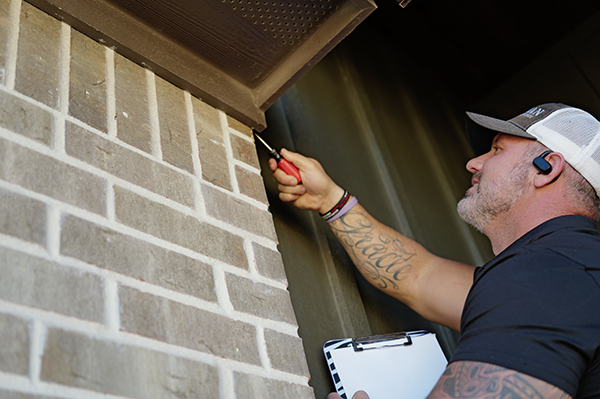
Many homeowners delay inspections because they are unsure what to expect.
The process is straightforward.
A trained technician evaluates both the interior and exterior of the property looking for evidence of termite activity, conditions that increase risk, and areas that may require further attention.
Inspection areas often include:
- Foundations
- Exterior walls
- Crawl spaces
- Attics
- Garages
- Utility entry points
- Wooden structures
- Moisture-prone areas
The objective is not simply finding termites.
The objective is understanding whether your property is vulnerable and what can be done to protect it.
Even when no active infestation is found, homeowners often gain valuable insight into conditions that could create future problems.
Choosing a Termite Control Company in Lumberton
When termites are discovered, homeowners often focus on finding the fastest solution.
While speed matters, choosing the right company matters even more.
Not all termite control providers offer the same level of experience, inspection quality, or long-term protection.
Before hiring a company, consider asking the following questions:
How Much Experience Do You Have Treating Homes in Southeast Texas?
Local knowledge matters. The conditions affecting homes in Lumberton differ from those in other regions.
What Type of Inspection Process Do You Use?
A thorough inspection should evaluate more than visible termite activity.
It should identify risk factors, moisture concerns, and potential entry points.
What Treatment Options Do You Recommend?
Every home is different. A trustworthy company should explain available treatment methods and why a particular approach is appropriate for your property.
Do You Offer Ongoing Monitoring?
Long-term protection often requires more than a single treatment.
Monitoring helps identify new activity before major damage occurs.
Can You Explain the Findings Clearly?
Homeowners should never feel confused about the condition of their property or the recommended solution.
The best termite professionals help homeowners understand both the problem and the path forward.
Ultimately, termite control is not simply about eliminating pests.
It is about protecting one of the most important investments your family will ever make.
Three Real-Life Lumberton Home Scenarios
Every termite situation is different.
The following examples reflect common scenarios experienced by homeowners throughout Southeast Texas.
Scenario One: The Hidden Garage Infestation
A homeowner notices a small mud tube near the corner of the garage foundation. It appears insignificant. During inspection, termite activity is discovered extending into adjacent wall structures. Because the issue is identified early, treatment prevents extensive damage. The homeowner avoids what could have become a major structural repair project.
Scenario Two: The Backyard Risk Factor
A family stores firewood against the back of their home. Months later, termite activity is discovered within the wood pile. Fortunately, the termites have not yet entered the structure. Removing the wood and implementing preventive measures significantly reduces risk.
Scenario Three: The Moisture Problem
A leaking outdoor faucet creates consistently damp soil near the foundation.
The moisture attracts termite activity.
An inspection identifies the issue before serious damage occurs.
After repairs and treatment, the property remains protected.
Each of these situations shares a common lesson.
Small conditions often create large opportunities for termites.
Why Southeast Texas Experience Matters
Pest control is not a one-size-fits-all industry.
The conditions that affect homeowners in Lumberton differ from those found in many other regions.
A company that understands Southeast Texas understands:
- Local termite behavior
- Seasonal activity patterns
- Regional moisture challenges
- Common construction styles
- Property-specific risk factors
This knowledge allows for more accurate inspections, more effective recommendations, and more reliable long-term protection.
For more than 20 years, BugMan has worked with homeowners throughout Southeast Texas, helping families identify risks, solve pest problems, and protect their homes from costly termite damage.
That experience matters because local challenges require local understanding.
Your Home Has a Story Worth Protecting
Regardless of the story, every homeowner shares something in common.
The desire to protect what matters most.
Termites do not care about the memories attached to a home.
They do not care how much work went into building it.
They do not care how beautiful it looks from the outside.
Their only objective is finding food.
Your objective is making sure they never get the opportunity.
With regular inspections, smart prevention strategies, and the support of experienced professionals, homeowners can significantly reduce risk and gain peace of mind.
Because protecting your home is not simply about preventing termite damage.
It is about preserving the place where life happens.
And that is always worth protecting.
Proudly Serving Lumberton and Surrounding Southeast Texas Communities

BugMan proudly serves homeowners throughout Lumberton, Hardin County, Beaumont, Silsbee, Kountze, Rose Hill Acres, and neighboring Southeast Texas communities. Our local experience allows us to understand the termite pressures unique to this region and provide solutions tailored to the conditions homeowners face every day.
Related Resources


General Pest Control Services
Termite Treatment & Prevention
Crawfish Treatment
Rodent Control
Roach Control
Bee Removal
Mosquito Control
Flea & Tick Control
Ant & Wasp Control
Residential Pest Control
Commercial Pest Control
2026 Bug Man Pest & Termite Control © - Site by: 414 Creative