
Fire Ant Control in Southeast Texas: Why Mounds Return
Joshua Culver · October 9, 2026 · Ant Control
Treating the mound you can see may not address colonies elsewhere in the yard. Learn how inspection and area-wide planning improve fire-ant control.
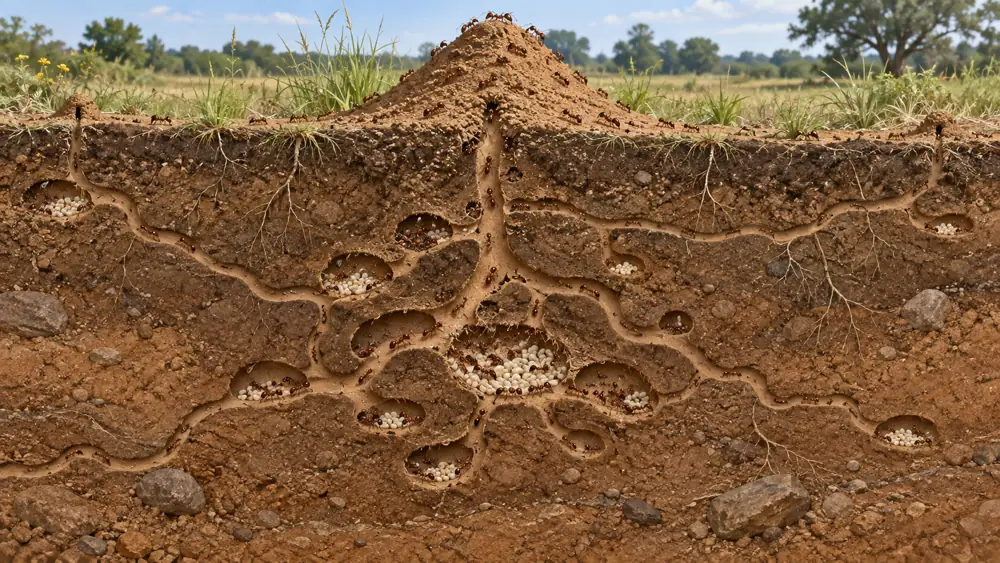
Effective fire ant control considers the whole affected area, not only the mound you can see. New mounds may appear because nearby colonies remain, weather changes make activity visible, or the treatment conditions were unsuitable.
For heavily infested lawns, Texas A&M’s two-step approach combines a broadcast bait over suitable turf with targeted treatment of troublesome mounds. The exact product, timing, and site restrictions matter, so homeowners must read the label and avoid assuming that more product produces better control.
Why mound-by-mound treatment can disappoint
Visible mounds represent only the colonies you noticed. Smaller or less active colonies may not have obvious soil disturbance, especially after weather changes. A property can also be reinfested from untreated neighboring ground.
Some fast-acting mound treatments kill many workers but may not provide the broad, lasting reduction the homeowner expects. Disturbing a mound before applying certain baits can reduce feeding. Rainfall, irrigation, temperature, freshness of bait, and label timing can also affect results.
How the two-step fire-ant method works
- Apply a labeled broadcast fire-ant bait across the treatment area when ants are actively foraging and conditions meet the label.
- Treat remaining nuisance mounds with a labeled individual-mound product when needed.
Broadcast baits allow foraging ants to carry material into colonies that may not be obvious. Individual treatment then focuses on mounds in high-traffic or sensitive locations. This is a concept, not permission to use any product anywhere; lawns, gardens, pastures, playgrounds, electrical equipment, and areas near water can have different restrictions.
Check whether fire ants are foraging
Baits work only when ants pick them up. Texas A&M recommends checking activity before application. Place a small food lure such as a chip near a mound without disturbing it, then observe whether fire ants find it within the suggested period. Follow the selected product label for timing and application details.
Do not apply bait immediately before rain or irrigation when the label warns against moisture. Oil-based bait can become unattractive when it is wet or stale, and applying excess bait wastes product.
High-risk locations need special care
- Play areas, sports fields, and paths
- Pet runs and kennels
- Air-conditioning units and electrical equipment
- Vegetable gardens and fruit areas
- Pond edges, drainage, and locations near water
- Places used by people with a history of severe sting reactions
Keep children and pets away during application and for the period required by the label. Never put gasoline, diesel, bleach, or other unapproved substances on a mound. These methods can damage soil, create fire or exposure hazards, and violate environmental rules.
What homeowners can do between services
Walk the property regularly, especially after warm rain, and mark new mounds in places where people or pets travel. Maintain turf and drainage, move pet food indoors, and coordinate with neighbors or property management when colonies cross boundaries.
For recurring yard activity, BugMan’s pest-control service can evaluate the site and explain whether individual treatment, a broader program, or referral for a specialized setting is appropriate.
Set realistic expectations
The practical goal is strong population reduction and protection of priority areas, not a promise that no ant will ever enter an open yard. Weather, untreated adjacent land, and new colony movement can change pressure. Monitoring shows where follow-up is justified.
Sting emergency
Fire-ant stings can cause serious allergic reactions. Trouble breathing, swelling of the face or throat, dizziness, or widespread symptoms require emergency medical care. Pest-control advice is not medical treatment.
Check which kind of ant you have
| Ant pattern | Likely concern | First inspection priority |
|---|---|---|
| Soil mound with aggressive stinging ants | Imported fire ants | Yard distribution, foraging, high-traffic risk |
| Large ants associated with damp wood | Carpenter ants possible | Leaks, roof or wall moisture, damaged wood |
| Small trails to sweets or grease indoors | Household-invading ant species | Entry, food, bait preference, nest route |
| Winged insects near windows | Ant swarmers or termites | Specimen identification before treatment |
Fire-ant treatment is not a universal plan for indoor ants or carpenter ants. Identification comes first because a mound problem in the lawn and a small indoor trail may require completely different inspection and control steps.
A practical fire-ant treatment-day checklist
- Identify the treatment site: lawn, pasture, garden, school, playground, electrical equipment, or area near water.
- Select only a product labeled for that site.
- Check that ants are actively foraging when using bait.
- Review rain, irrigation, temperature, and mowing timing on the label.
- Keep people and pets away as required.
- Record the product, date, area, and follow-up result.
How to protect play areas, pets, and businesses
Prioritize mounds beside sidewalks, doors, playgrounds, sports fields, pet runs, mailboxes, and work areas. Mark the mound so people avoid it while service is arranged. Facilities should document treatment and inspect the surrounding turf, not only the one reported spot.
Mark the areas where ants are causing trouble
Draw a simple outline of the property and mark the places people actually use: doors, a play set, pet area, paths, garden, and outdoor work space. Add the locations where ants were observed and the areas you could not check safely. Share the map with the provider. It helps distinguish a complaint about one visible mound from a request to assess pressure across the accessible yard.
Keep property boundaries clear. If activity is near a shared fence, ask the neighbor or property manager about coordinated inspection; do not apply treatment beyond your property or assume another area is included in your service. Describe adjoining vacant land, drainage easements, and common areas so the provider can explain the limits of the proposed scope.
Frequently asked questions
Should I kick open a mound before treating it?
Do not disturb a mound before baiting unless the selected product label specifically instructs you to do so. Disturbance can change ant behavior and reduce bait collection.
Can I pour boiling water on fire-ant mounds?
Very hot water may injure turf, plants, people, or pets and may not reach the entire colony. Use only methods appropriate to the site and consider professional guidance for high-risk locations.
Why did fire ants return after rain?
Rain and warm soil can make mound construction more visible, while colonies from untreated areas can move or expand. Reappearance does not necessarily mean the same mound survived.
What time of day should fire-ant bait be applied?
Apply when ants are actively foraging and label conditions are met. Activity depends on soil temperature and weather, so test with a small food lure rather than relying only on the clock.
Can fire-ant treatment be used in a vegetable garden?
Only when the product label specifically allows use in that site and every direction is followed. Many lawn products are not labeled for food-growing areas.
Why are there no mounds even though fire ants are present?
Colonies are not always obvious. Weather, soil, mowing, and colony stage affect mound visibility. Use foraging observations and professional inspection.
Does treating my yard keep neighboring fire ants out forever?
No. Untreated adjacent areas and new colony movement can reinfest open ground. Monitoring and coordinated area-wide control improve results.
Related reading
- General pest and ant control
- Lumberton pest control
- Preparing for a pest-control appointment
- Request a BugMan estimate
Sources and further reading
- Texas A&M AgriLife: Two-Step Method for Fire Ant Control
- Texas A&M AgriLife: Fire Ant Control Methods
Fire ants near a path, play area, or pet run?
Tell BugMan where the mounds are and how the area is used. We can inspect the activity and explain the treatment options for your property. Call (409) 333-9165 or request a free estimate.
Have a pest concern? Let’s take a look.
Request a free initial inspection.
Tell us what you’re seeing and our local team will help you choose the right next step. Serving Beaumont, Nederland, Lumberton, Buna, and surrounding Southeast Texas communities.
Prefer to call? (409) 333-9165


General Pest Control Services
Termite Treatment & Prevention
Crawfish Treatment
Rodent Control
Roach Control
Bee Removal
Mosquito Control
Flea & Tick Control
Ant & Wasp Control
Residential Pest Control
Commercial Pest Control
2026 Bug Man Pest & Termite Control © - Site by: 414 Creative


