
Commercial pest control for food-service spaces
Restaurant Pest Control in Southeast Texas
Connect pest sightings with the places food, deliveries, water and waste move through your restaurant. Start with an inspection and a clear plan for staff.
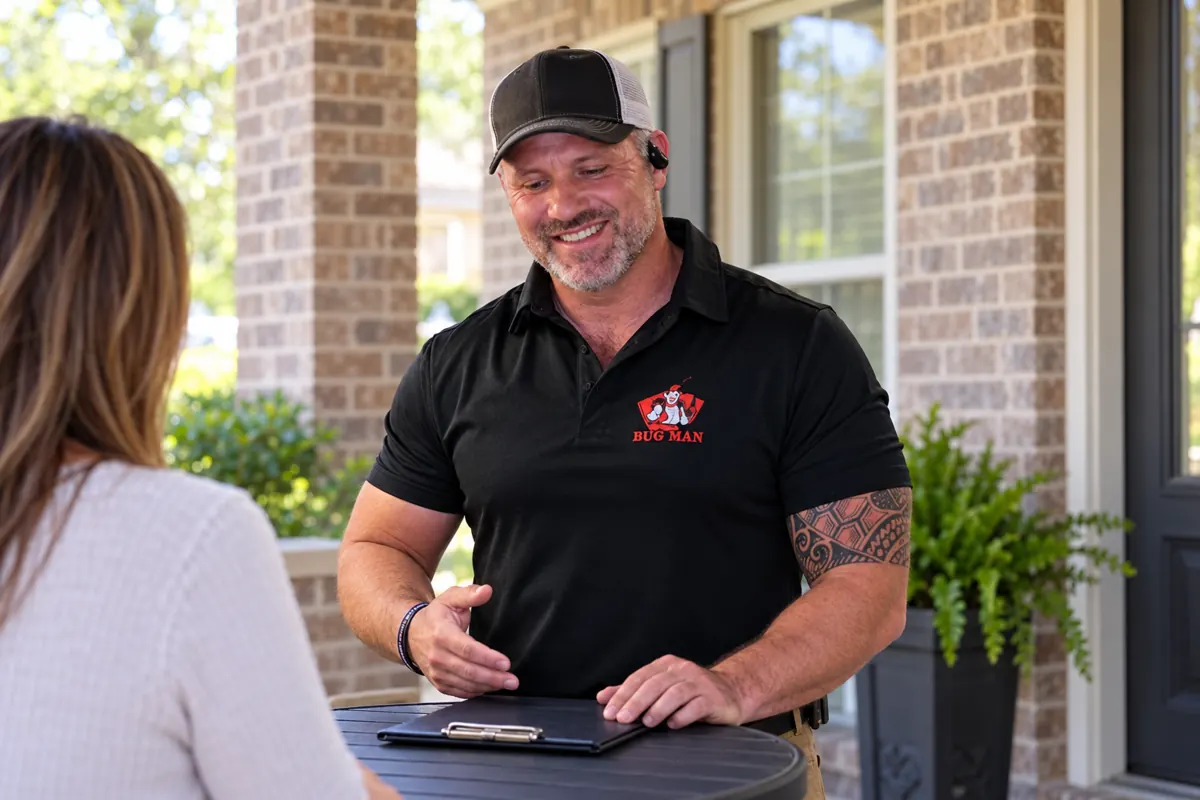
Start with how your restaurant operates
A dining room, prep kitchen and back-door delivery area can have very different pest concerns. Record where activity appears, when staff notice it and what is happening nearby. That information helps an inspection focus on possible sources rather than the last place an insect was seen.
BugMan Pest & Termite Control brings 20+ years of experience to Southeast Texas. For a restaurant in Beaumont, Lumberton, Port Arthur, Nederland or Buna, request a free initial inspection and discuss your building, pest history and access needs. Our commercial pest-control page explains the broader planning conversation.
Cockroach, ant and rodent concerns in restaurant spaces
Include cockroach sightings, ant trails, droppings and gnawed packaging in your restaurant's pest reports. Record the precise location and whether the evidence appears near ingredients, equipment, receiving or waste areas.
BugMan's general pest-control and rodent-control services provide the next step for assessing the findings and discussing a property-specific plan. Our German and American cockroach identification guide can help staff describe what they have seen; an inspection should confirm the pest before a treatment plan is chosen.
Follow ingredients from receiving to storage
Receiving deserves the same attention as the kitchen. Before putting deliveries away, look for damaged packaging, spilled ingredients and pest evidence on cartons or equipment. Keep questionable goods separate from usable stock while a manager follows the restaurant’s handling procedures. Record the delivery date and supplier so repeated concerns can be traced.
- Rotate dry ingredients so older stock remains accessible.
- Close food containers and clean residue from their exterior surfaces.
- Remove unnecessary empty boxes from storage and prep areas.
- Keep the edges of shelving accessible for cleaning and inspection.
Include employee food, takeout supplies and seldom-used catering equipment in the review. A quiet storage corner may receive less attention than a busy cooking line.
Connect kitchen moisture, cleaning and waste
Look beyond visible counters. Drips beneath sinks, condensation around equipment and residue beneath movable appliances can be easy to miss during a rushed closing routine. Give recurring leaks or drainage concerns a maintenance owner and a follow-up date. Keep cleaning tools stored so wet material does not accumulate unnoticed.
Trace waste from prep bins to the outdoor collection point. Note leaking bags, sticky container surfaces, damaged lids and doors left open during disposal. A problem that returns after each shift needs a practical change to the routine. Use our commercial inspection checklist to organize those observations.
Prepare the people and spaces involved
Choose a restaurant contact who can explain opening, preparation, service and closing periods. Before a visit, identify locked rooms, fixed equipment and areas that require an escort. Ask which spaces need access and what preparation is required before moving ingredients, utensils or equipment. Follow the specific instructions provided for any proposed treatment.
Share photos and exact locations of sightings. If staff find droppings or gnawed packaging, discuss rodent control. For insect activity, describe the evidence when asking about general pest control. Suspected mud tubes or damaged structural wood call for a separate termite-control discussion.
Make follow-up useful across shifts
Ask whether recurring inspections or monitoring suit the activity and layout. Discuss visit frequency, the areas covered and what should trigger a call between visits. A change in menu, delivery pattern, equipment or waste pickup can change what needs attention.
Keep one sighting log for all shifts. Record the time, exact location and person notified; add a photo when practical. At each service review, compare new sightings with earlier findings and check whether assigned repairs or cleaning changes were completed. Confirm which written records are included in the proposed service and who receives them.
Request a restaurant inspection
Call (409) 333-9165 to request a free initial inspection. Tell BugMan your restaurant type, town, affected areas and the best site contact so the first conversation addresses your day-to-day operation.
Frequently asked questions
What should restaurant staff record when they see a pest?
Write down the date, time and precise location, such as the dry-storage shelf or dish-area sink. Include a photo when practical and notify the designated manager. Keep reports together so patterns across shifts are visible.
Should we empty the entire kitchen before an inspection?
Ask what access is needed first. Explain where food, utensils and equipment are stored, then follow the preparation instructions for your visit. Treatment preparation may differ from inspection preparation.
How often should a restaurant arrange pest-control visits?
Discuss the pest history, current findings, deliveries and building conditions. A recurring schedule should match those factors and be reviewed when activity or operations change.
Can the inspection include the dumpster and receiving area?
Identify those areas when requesting the inspection and explain any access limits or shared responsibilities. Receiving, waste handling and the route between them are useful parts of the restaurant discussion.
What does BugMan need when we call?
Share your town, restaurant type, what staff have seen and where. BugMan offers free initial inspections; call (409) 333-9165 to discuss the next step.


