
Why Mosquitoes Get So Bad in Lumberton After Rain—and What Actually Helps
Joshua Culver · September 10, 2026 · Mosquito Control
Mosquitoes everywhere after rain in Lumberton? Learn why they surge, where they breed, what homeowners can do, and when professional mosquito control makes sense.
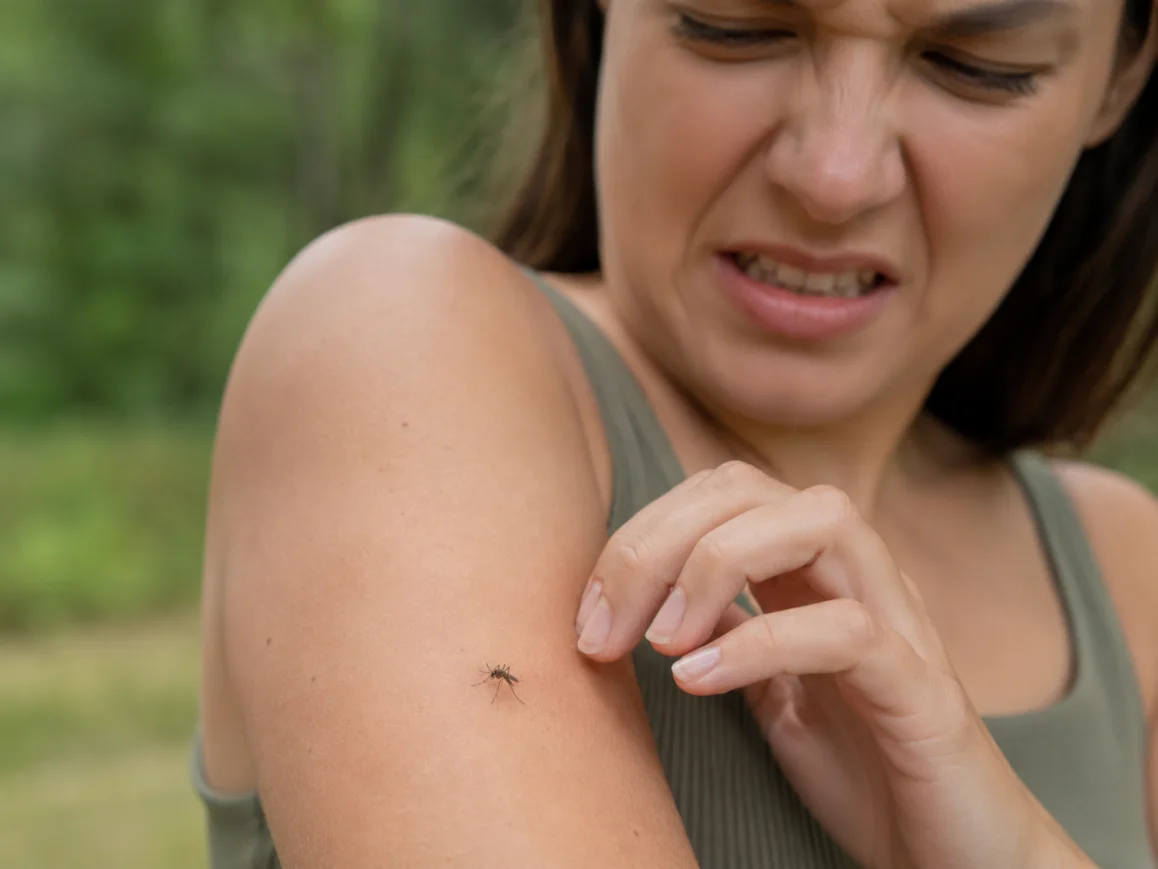
A few days after heavy rain in Lumberton, it can feel as if every mosquito in Southeast Texas has moved into your yard. You step outside to grill, let the dog out, or watch the kids play—and within minutes, everyone is swatting and heading back indoors.
That sudden increase is not random. Warm weather, high humidity, shade, thick vegetation, and small pockets of standing water give mosquitoes the conditions they need to reproduce. A yard does not need a pond or flooded ditch to develop a problem. Water trapped in a flowerpot saucer, clogged gutter, child’s toy, wheelbarrow, tarp, birdbath, or low spot may be enough.
The good news is that homeowners can reduce many breeding sites. The harder truth is that cleaning up standing water may not remove adult mosquitoes already resting around the property—or mosquitoes coming from nearby areas. Effective mosquito control usually works best as a combination of source reduction, personal protection, and targeted professional treatment when activity remains high.
Why rain creates a mosquito surge
Mosquitoes need water during the egg, larval, and pupal stages of their life cycle. Rain fills containers and low areas that were dry only days earlier. When temperatures are warm, those temporary water sources can become active breeding sites quickly.
The U.S. Environmental Protection Agency recommends eliminating standing water in gutters, tires, buckets, toys, covers, and similar containers. It also recommends changing water in birdbaths, fountains, wading pools, rain barrels, and plant trays at least weekly. This interrupts development before new adults emerge.
In Lumberton, one property may sit beside wooded land, drainage features, dense shrubs, or neighboring yards with their own water sources. That is why a homeowner can do several things correctly and still experience heavy activity. Your yard is part of a larger environment.
Seven places to inspect after every rainfall
- Gutters and downspout extensions that do not drain completely
- Buckets, watering cans, toys, tarps, wheelbarrows, and unused containers
- Plant saucers, decorative pots, and outdoor furniture that holds water
- Birdbaths, pet bowls, kiddie pools, and water features
- Tires, boats, trailers, and equipment stored outdoors
- Low spots near foundations, sheds, fences, and air-conditioning units
- Dense shrubs, tall grass, leaf litter, and shaded areas where adult mosquitoes rest
Walk the yard slowly instead of checking only the obvious locations. Tip out water where possible, correct drainage problems, keep pools circulating, and refresh unavoidable water sources regularly. If a container must hold water, ask a qualified professional which control options are appropriate for that specific use.
Why one quick spray often disappoints
Aerosol sprays may kill some mosquitoes that are present at the moment of application, but they do not automatically address larvae developing in water, adults resting under leaves, or new mosquitoes arriving from surrounding areas. Likewise, spraying the open air without identifying where mosquitoes breed and rest may produce only short-lived relief.
A stronger approach begins with inspection. The property should be evaluated for breeding sources, shaded resting zones, drainage conditions, vegetation, and the way the outdoor space is used. A treatment plan can then focus on the locations that matter instead of treating every surface the same way.
What professional mosquito control can add
Professional mosquito control is designed to reduce the population around the areas where your family actually spends time. Depending on the property and the products selected, the plan may address adult resting sites, developing larvae, or both. Because weather, vegetation, nearby water, and mosquito pressure change, recurring service may be more practical than relying on a single treatment during an active season.
Before service, tell the technician about children, pets, vegetable gardens, ponds, fish, beehives, outdoor events, or any sensitive areas. Follow all preparation and re-entry instructions given for the products used.
How to reduce bites while the yard is being addressed
- Use an EPA-registered insect repellent and follow the product label.
- Wear long sleeves and long pants when mosquito activity is heavy.
- Repair damaged door and window screens.
- Use outdoor fans near seating areas; mosquitoes are weak fliers in moving air.
- Plan yard checks after rain rather than waiting until mosquitoes become overwhelming.
When it is time to call a mosquito-control professional
Consider professional help when mosquitoes continue to make the yard unusable after standing-water cleanup, when activity returns quickly after DIY efforts, when the property has heavy vegetation or difficult drainage, or when you need the yard ready for guests and outdoor activities.
A local Lumberton pest-control company should understand how Southeast Texas heat, humidity, rain, and long mosquito seasons affect treatment timing. Ask what the service covers, how to prepare, when people and pets may return, and what you should do between visits.
Mosquito control options compared
Homeowners often use “spraying,” “fogging,” and “yard treatment” as if they describe one service. They do not. Source reduction removes or treats water where mosquitoes develop. Residual yard treatment targets shaded resting areas. Space treatment or fogging can temporarily affect flying adults under suitable conditions. Repellents protect the individual for a limited period.
| Control step | Primary target | What it can do | Main limitation |
|---|---|---|---|
| Remove standing water | Eggs and larvae | Stops many new adults from developing on the property | Cannot remove adults already present or water on neighboring land |
| Treat unavoidable water | Larvae | Controls development where a labeled larvicide is appropriate | Product must be labeled for the exact water site |
| Target shaded vegetation | Resting adults | Reduces adults in likely harborage zones | Rain, growth, access, and neighboring pressure affect duration |
| Fog or space treatment | Flying adults | Can provide short-term knockdown for a defined need | Usually provides limited residual control |
| Repellent and clothing | Personal exposure | Reduces bites when used correctly | Does not reduce the yard population |
A useful Lumberton mosquito plan combines the rows rather than expecting one spray to do every job. Ask the technician which mosquito stage each recommendation targets and how rainfall changes follow-up.
Why Lumberton yards can remain active after cleanup
Wooded lots, drainage corridors, shaded vegetation, leaf litter, neighboring containers, ditches, and low areas can produce or shelter mosquitoes outside the homeowner’s direct control. Warm, humid evenings also keep adult activity noticeable when people are most likely to use patios and yards.
Walk the property in zones: roof and gutters; front and back yards; patios and toys; fence lines; sheds and equipment; pet areas; and drainage. A five-minute glance at the center of the lawn misses the shaded edges where water and adult resting sites often occur.
- Tip and scrub containers rather than only pouring out water
- Keep gutters and downspouts flowing
- Store wheelbarrows, toys, tarps, and buckets so they cannot refill
- Change birdbath and pet water regularly
- Report persistent roadside, drainage, or abandoned-property water to the responsible authority
- Use screens, clothing, and an EPA-registered repellent according to its label
What to expect from professional mosquito treatment
The technician should ask how and when the yard is used, inspect breeding and resting areas, identify sensitive zones, and explain preparation. Gates, pets, toys, ponds, gardens, flowering plants, hives, air-conditioning equipment, and neighboring water can affect the plan.
Treatment should come with realistic expectations. Outdoor mosquito control reduces pressure; it cannot create a permanent mosquito-free bubble. Ask how rain affects the application, when people and pets may return, what the homeowner must do weekly, and when the property should be reassessed.
Need local mosquito help?
If weekly source reduction is not enough, review BugMan’s mosquito-control service and Lumberton service information. An inspection can identify the breeding and resting zones that matter on your property.
Frequently asked questions
How soon after rain can mosquitoes become a problem?
The timing varies by species and weather, but warm conditions can speed development. Inspect and empty new water-holding containers promptly after rain rather than waiting to see adults.
Will mosquito treatment eliminate every mosquito?
No responsible company should promise that no mosquito will ever enter an outdoor property. The goal is meaningful population reduction around the treated space, supported by source reduction and ongoing prevention.
Is mosquito treatment safe around children and pets?
Safety depends on using the selected product according to its label and following the technician’s instructions. Tell the company about children, pets, fish, gardens, and other sensitive areas before treatment, and observe the stated re-entry time.
How often should I empty standing water?
EPA guidance recommends emptying or changing water in common containers at least weekly. After a major rain, an additional yard inspection is sensible.
Is mosquito spraying the same as mosquito control?
No. Spraying is one possible treatment step. Control can also include inspection, source reduction, larval control, vegetation management, personal protection, and follow-up.
Will heavy rain cancel a mosquito treatment?
It depends on the product, drying time, application timing, and rainfall. Ask BugMan whether the appointment should proceed and follow the specific label and technician guidance.
Do mosquito treatments also control ticks?
Some service plans or labeled products may address both, but the target zones and biology differ. Confirm exactly what is included rather than assuming.
Can BugMan treat a Lumberton property near woods or drainage?
BugMan can inspect the property and identify treatable areas. Conditions beyond the property line may limit complete control, so expectations and homeowner actions should be discussed.
Related BugMan resources
Take back your yard in Lumberton
If mosquitoes are keeping your family indoors, BugMan Pest & Termite Control can inspect your property and recommend a mosquito-control plan for your yard. Call (409) 333-9165 or request a free estimate online.
Have a pest concern? Let’s take a look.
Request a free initial inspection.
Tell us what you’re seeing and our local team will help you choose the right next step. Serving Beaumont, Nederland, Lumberton, Buna, and surrounding Southeast Texas communities.
Prefer to call? (409) 333-9165


General Pest Control Services
Termite Treatment & Prevention
Crawfish Treatment
Rodent Control
Roach Control
Bee Removal
Mosquito Control
Flea & Tick Control
Ant & Wasp Control
Residential Pest Control
Commercial Pest Control
2026 Bug Man Pest & Termite Control © - Site by: 414 Creative


